Burns are injuries that can be caused by heat, flames, hot liquids, chemicals, electricity, steam, or excessive sun exposure. Treatment depends on how deep and severe the burn is and where it affects the body. Minor burns may be treated with first aid, while major burns need immediate medical care.
What are the symptoms?
Burn symptoms depend on how deeply the skin is damaged.
- First-degree burns cause redness and pain
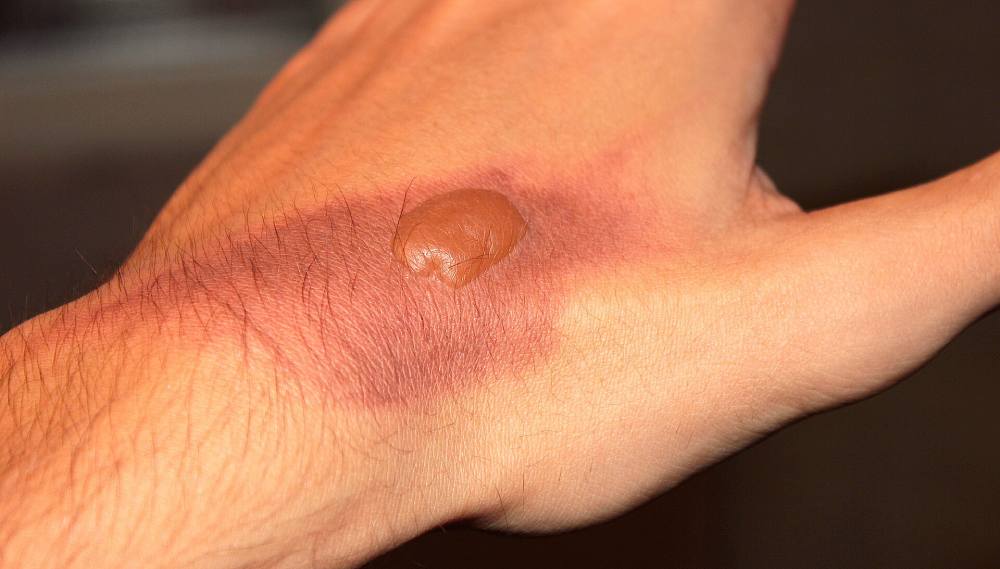
- Second-degree burns cause swelling, blisters, and severe pain
- Third-degree burns damage all skin layers and may look white, brown, black etc. with no pain
What are the causes?
Burns are caused by:
- Fire
- Hot liquids or steam
- Hot objects
- Electricity
- Radiation, such as X-rays
- Sunlight or ultraviolet radiation
- Chemicals
- Abuse
Who is at risk?
The risk of burns may be higher in:
- People exposed to flames, chemicals or hot materials at work
- Older adults with dementia
- Young children
- People who consume alcohol or other substances
When to see a doctor?
See a doctor if the burn is severe, covers a large area, does not heal as expected, or shows signs of infection. You should also seek medical care after a chemical or electrical injury, an explosion, breathing problems after smoke exposure. People with diabetes or those who may need a tetanus booster should also consult a doctor.
What are the possible complications?
Deep or widespread burns may cause:
- Infection
- Severe fluid loss or dehydration
- Low body temperature
- Breathing problems
- Irregular heartbeat after electrical burns
- Scarring or skin color changes
- Pain, itching, numbness, or tingling
- Bone and joint problems from scar tissue
- Depression or anxiety
- Skin cancer
How are they diagnosed?
A doctor examines the skin to determine the depth and severity of the burn. Severe, deep, or extensive burns may require transfer to a specialized burn center. Additional tests, such as blood tests or X-rays, may be done to check for other injuries or complications.
What are the treatment options?
Minor burns can often be treated at home. Severe burns may require medicines, wound care, therapy, surgery, or treatment at a specialized burn center to prevent complications and restore function.
First aid for major burns
Apply first aid until emergency help arrives:
- Move the person away from the source of the burn, if safe
- Check that the person is breathing. If not, start rescue breathing
- Remove jewelry and tight items near the burn
- Loosely cover the burn with clean gauze or cloth
- Keep the burned area raised above heart level, if possible, to help reduce swelling
- Watch for signs of shock
Medical treatment
- IV fluids to prevent dehydration
- Pain and anxiety medicines
- Burn creams, ointments, and wound dressings
- Antibiotics for infection, if needed
- Tetanus vaccination, if needed
Physical and occupational therapy
Physical and occupational therapy may be needed in case of major burns or those which cover joints.
- Exercises help keep joints flexible
- Physical therapy helps improve strength and movement
- Occupational therapy provides support with daily activities
Surgery and other treatments
- Breathing support for burns affecting the face or neck
- Feeding support for extensive burns
- Procedures to relieve pressure and improve blood flow
- Skin grafts for deep or large burns
How can they be prevented?
Kitchen and bath safety
- Never leave cooking unattended
- Keep hot liquids away from children
- Check food and bathwater temperature
- Keep children away from heat sources
Electrical safety
- Unplug devices when not in use
- Keep electrical items away from water
- Cover unused electrical outlets
Fire and chemical safety
- Never smoke in bed or leave candles unattended
- Maintain working smoke detectors
- Keep chemicals, matches, and lighters away from children
- Use protective clothing when handling chemicals
How can you take care at home?
For minor burns, these self-care steps may help reduce pain and protect the injured skin:
- Move away from the source of the burn
- Wash the burn under cool running water for 10–20 minutes
- Remove rings or tight items before swelling starts
- Apply a moisturizer or lotion with aloe vera or cocoa butter
- Cover loosely with a clean bandage
- Use over-the-counter painkillers if needed
Avoid the following, as they may worsen the burn or slow healing:
- Don’t use ice or very cold water
- Don’t break blisters
- Don’t use fluffy cotton bandages
- Don’t apply butter, grease, or ointments
- Don’t remove clothing if it’s stuck to the burn
Frequently Asked Questions (FAQs)
Can burns leave permanent scars?
Deep or severe burns may cause permanent scarring or changes in skin color.
Should I pop a burn blister?
No, do not pop blisters, as this can increase the risk of infection.
Can we use cold water to wash the affected area?
No, wash the burn with cool running water only.
Important Note: This information is for awareness purposes only. Please consult a healthcare professional for medical advice, diagnosis or treatment.