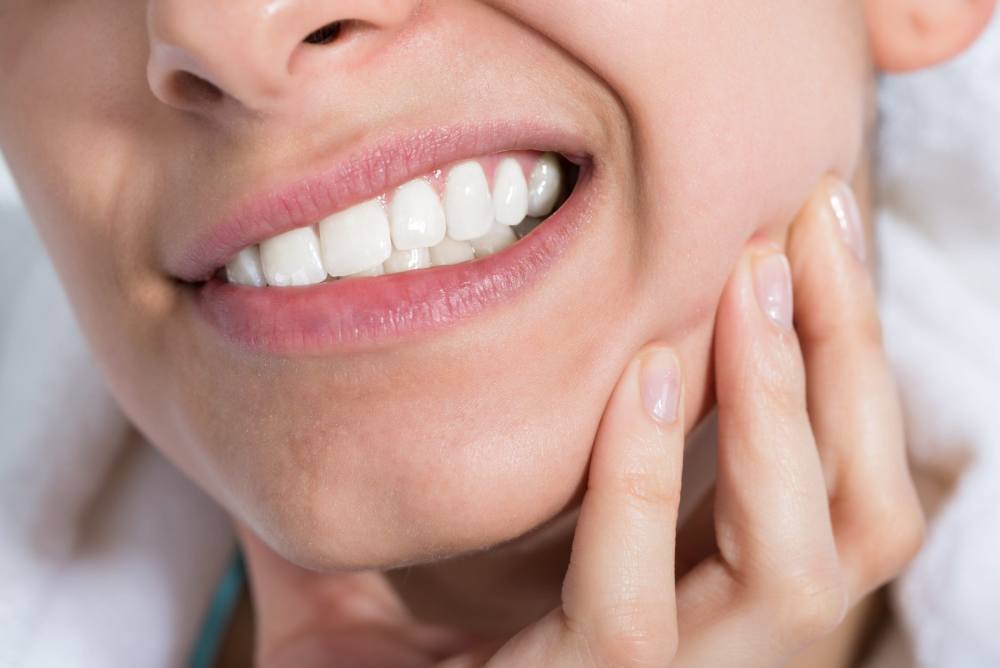
Bruxism is the medical term for teeth grinding or clenching. It can happen when you are awake or while sleeping. Sleep bruxism can also lead to sleep problems like snoring and sleep apnea. Regular dental checkups can help identify damage caused by teeth grinding.
What are the symptoms?
Symptoms may include:
- Teeth grinding or clenching, sometimes loud enough to disturb a sleep partner
- Worn, chipped, fractured, or loose teeth
- Tooth pain or sensitivity
- Tight, tired, or locked jaw muscles
- Jaw clicking or popping
- Pain in the jaw, face, or neck
- Enlarged jaw muscles
- Earache-like pain without an ear problem
- Headaches, especially around the temples
- Sleep problems
What are the causes?
The exact cause of bruxism is not known. It may be linked to physical factors, mental health conditions, or genetics.
- Awake bruxism may be linked to stress, anxiety, anger, frustration, or deep concentration
- Sleep bruxism is linked to brief disturbances during sleep
Who is at risk?
Factors that may increase the risk include:
- Stress, anxiety, anger, or frustration
- Young age
- Aggressive, competitive, or hyperactive personality traits
- Habits, such as biting the lips, tongue, or cheeks, or prolonged gum chewing
- Tobacco, caffeine, alcohol, certain medicines, or recreational drugs
- Family history of bruxism
- Sleep apnea, ADHD, epilepsy, Parkinson’s disease, GERD, and some sleep disorders
When should you see a doctor?
See a dentist or other relevant doctor if you have symptoms of teeth grinding or clenching, or have concerns about your teeth or jaw.
What are the possible complications?
Most people do not develop serious problems. However, severe bruxism may cause:
- Damage to the teeth, jaw, fillings or crowns
- Tension headaches
- Severe facial or jaw pain
- Jaw joint problems, which can cause pain and clicking when opening or closing the mouth
How is it diagnosed?
Bruxism is often identified during a regular dental examination. In case of bruxism signs, the dentist checks for tooth damage, jaw muscle tenderness, pain or stiffness, and changes in the teeth or jaw. X-rays may also be recommended when needed.
Furthermore, the dentist asks about your medicines, daily habits, and sleep. If a sleep disorder, anxiety, or another health condition is suspected, you may be referred to a relevant specialist.
What are the treatment options?
Many people with bruxism do not need treatment. If treatment is needed, options may include:
- Dental treatments to protect teeth and repair damage
- Therapies such as stress management and jaw relaxation to reduce grinding
- Muscle relaxants or Botox injections
- Treatment of underlying conditions
How can you prevent it?
These tips may help prevent or manage bruxism:
- Reduce stress through relaxation, meditation, yoga, or exercise
- Avoid caffeine and alcohol in the evening
- Avoid smoking
- Maintain good sleep habits and treat sleep problems
- Get regular dental checkups to identify signs of bruxism
Frequently Asked Questions (FAQs)
Can bruxism damage teeth?
Yes. Severe bruxism can wear down, chip, or damage teeth.
What causes bruxism?
Stress, anxiety, sleep disturbances, and certain health conditions may contribute to bruxism.
How is bruxism treated?
Treatment may include mouth guards, stress management, jaw relaxation, and treatment of underlying conditions.
Can bruxism be prevented?
Managing stress, maintaining good sleep habits, and getting regular dental checkups may help prevent or reduce bruxism.
Important Note: This information is for awareness purposes only. Please consult a healthcare professional for medical advice, diagnosis or treatment.