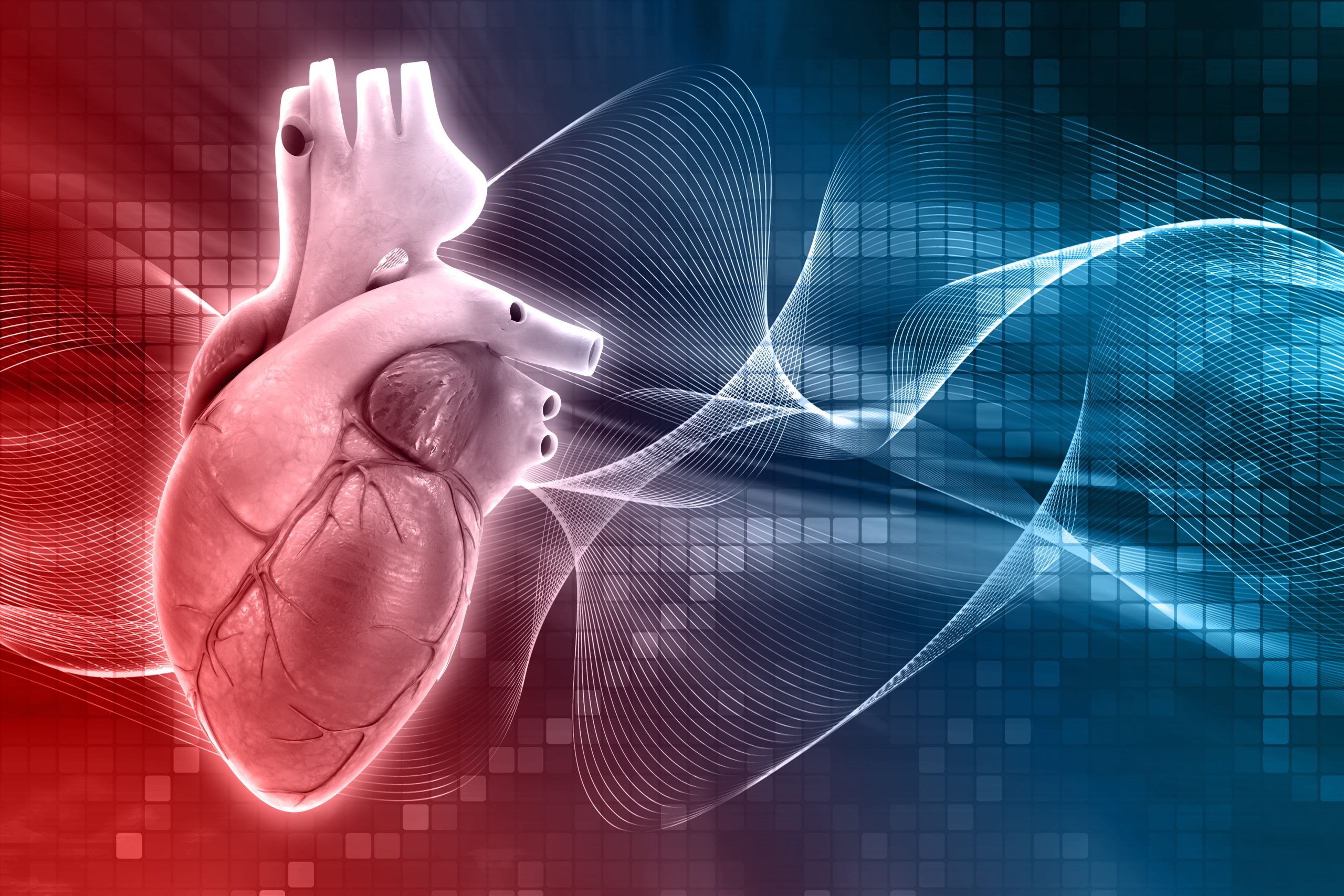
The heart has four valves which keep the blood flowing in the right direction. In heart valve disease, one or more of these valves don’t work properly which affects the blood flow throughout the body.
What are the symptoms?
In some cases, symptoms do not appear at the initial stage, but when they do individual may experience:
- Shortness of breath, even while resting
- Fatigue
- Chest pain
- Dizziness
- Swollen ankles and feet
- Fainting
- Irregular heartbeat
Consult a doctor as soon as possible if you notice any of these symptoms.
What are the causes?
Some people are born with this defect while others develop it later in life. Common causes include:
Stenosis: The valve becomes thick, stiff, or fused. This makes valve opening narrow and reduces the blood flow.
Regurgitation: The valve doesn’t close fully, so blood continues to leak backward.
Prolapse: The valve flaps become too loose and bulge backward, causing blood to leak.
Atresia: The valve is absent from birth and a layer of tissue blocks the blood flow between heart chambers.
Who is at risk?
Following factors can increase the risk of heart valve disease:
- Aging
- Rheumatic fever
- Heart attack, high blood pressure, high cholesterol and other heart diseases
- Diabetes
- Blood infections
- Congenital heart defects
How is it diagnosed?
Diagnosis includes:
- Physical examination to evaluate symptoms and medical history
- Echocardiogram to examine blood flow
- ECG test to check heart rhythm and electrical activity
- Chest X-ray to check heart size and fluid in lungs
- Cardiac MRI to find out the severity of disease
- Exercise stress test to assess heart performance during activity
- Cardiac catheterization to check the severity of valve damage
After diagnosis, the disease is categorized into four stages, based on severity and symptoms:
- Stage A: The patient is at risk of heart valve disease
- Stage B: The disease is mild to moderate with no symptoms
- Stage C: Severe valve damage, but still no symptoms
- Stage D: Disease is severe and causing symptoms as well
What are the treatment options?
Treatment depends on the type, stage and severity of symptoms. It includes:
- Regular check-ups
- Lifestyle and dietary changes
- Medicines to prevent blood clots
- Surgery to repair or replace the valve
- Valve repair or replacement surgery
What are the complications?
Without timely treatment, heart valve disease can lead to:
- Blood clot
- Heart failure
- Irregular heartbeat
- Stroke
- Death
FAQs
Does heart valve disease always cause symptoms?
No. Many people have no symptoms for years.
Is surgery the only treatment for heart valve disease?
No. Some people only need regular check-ups, lifestyle changes, and medicines. Surgery may be needed if the disease is severe.
Does a damaged valve always need to be replaced?
No. Doctors prefer repairing the valve when possible. If repair isn’t possible, it’s replaced with an artificial valve.
Note: This article is for general information only. Please consult your doctor for health-related concerns.
To consult the doctor, click the link below. ⬇️
https://www.shifa.com.pk/find-a-doctor?speciality=cardiologist