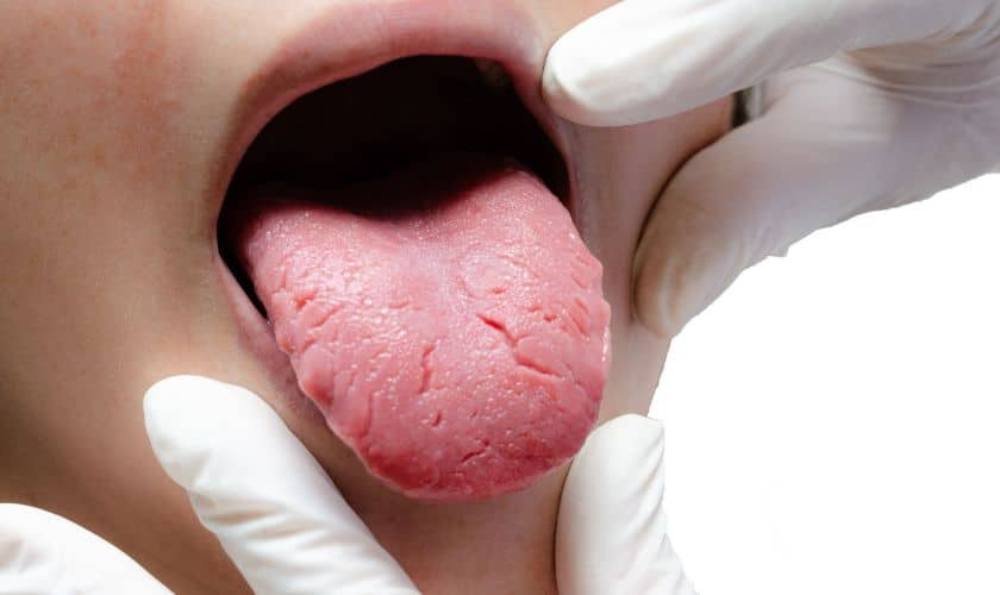
Burning mouth syndrome is a condition that causes an ongoing or recurring burning sensation in the mouth. The burning may be severe and can feel similar to burning your mouth with a very hot drink. In many cases, the exact cause cannot be identified, but a proper treatment may help manage and reduce the symptoms.
What are the symptoms?
Burning mouth syndrome can cause a burning feeling in the tongue, lips, gums, roof of the mouth, throat, or the whole mouth. Other symptoms may include:
- Dry mouth and feeling thirsty
- A bitter or metallic taste, or loss of taste
- Tingling, stinging, or numbness in the mouth
Symptoms may get worse during the day, last all day, or occur intermittently. They can continue for months or years but usually do not cause visible changes in the mouth.
What are the causes?
Burning mouth syndrome may have primary or secondary causes. Primary have no clear cause, while secondary are linked to an underlying condition which may include:
- Dry mouth or other oral conditions
- Vitamin or mineral deficiency
- Allergies or reactions to foods, dental materials, or mouth care products
- Acid reflux (GERD)
- Certain medicines
- Habits such as teeth grinding or tongue biting
- Diabetes or an underactive thyroid
- Mouth irritation
- Stress, anxiety, or depression
Who is at risk?
Burning mouth syndrome is more common in women during or after menopause, people over 50, and smokers. Other factors that may increase the risk include:
- Recent illness or certain long-term health conditions
- Previous dental work
- Food allergies
- Certain medicines
- Traumatic life events
When to see a doctor?
Consult a doctor or dentist if you have ongoing burning, pain, or soreness in your tongue, lips, gums, or other areas of your mouth. They can help find the cause and recommend appropriate treatment.
What are the possible complications?
Burning mouth syndrome may cause difficulty eating or sleeping due to ongoing discomfort. Long-lasting symptoms can also contribute to anxiety or depression.
How is it diagnosed?
There is no single test for burning mouth syndrome. Your doctor or dentist may review your medical history and medicines, examine your mouth, and ask about your symptoms and daily habits. To diagnose underlying problems, these tests may be recommended:
- Blood tests to check for health or nutritional problems
- Oral biopsy to check for infections or other mouth conditions
- Allergy tests
- Saliva tests to check for dry mouth
- Acid reflux tests
- Imaging tests, such as MRI or CT scans to check for other health problems
- Mental health assessment to check for anxiety or depression
What are the treatment options?
Treatment depends on whether burning mouth syndrome is primary or secondary. Primary burning mouth syndrome has no known cure, so treatment focuses on managing symptoms. Options may include:
- Saliva replacement products
- Special mouth rinses or numbing medicines
- Medicines to relieve nerve pain
- Certain antidepressants
- Cognitive behavioral therapy to help manage stress, anxiety, and ongoing pain
Secondary burning mouth syndrome is treated by addressing the underlying cause.
How can it be prevented?
There is no known way to prevent it. The following self-care steps may help reduce discomfort:
- Drink plenty of water or let a small piece of ice melt slowly in your mouth
- Avoid acidic, spicy, and irritating foods and drinks
- Avoid alcohol and tobacco
- Use mild, flavor-free toothpaste
- Reduce stress and practice relaxation techniques
Frequently Asked Questions (FAQs)
What does burning mouth syndrome feel like?
It causes a burning or scalding feeling in the mouth.
Can symptoms be treated?
Symptoms may last for months or years but can be managed with treatment.
Can stress make burning mouth syndrome worse?
Yes, stress and anxiety may trigger or worsen the symptoms.
Things I should avoid with burning mouth syndrome.
Avoid tobacco, alcohol, and spicy or acidic foods that may irritate the mouth.
Important Note: This information is for awareness purposes only. Please consult a healthcare professional for medical advice, diagnosis or treatment.