Food poisoning is a foodborne illness caused by consuming contaminated food or drinks. Contamination may involve bacteria, viruses, parasites, toxins, or molds. Symptoms often include vomiting, diarrhea, and abdominal pain. They usually begin within hours or days. Most cases are mild, but some may become severe and require medical care.
What are the symptoms?
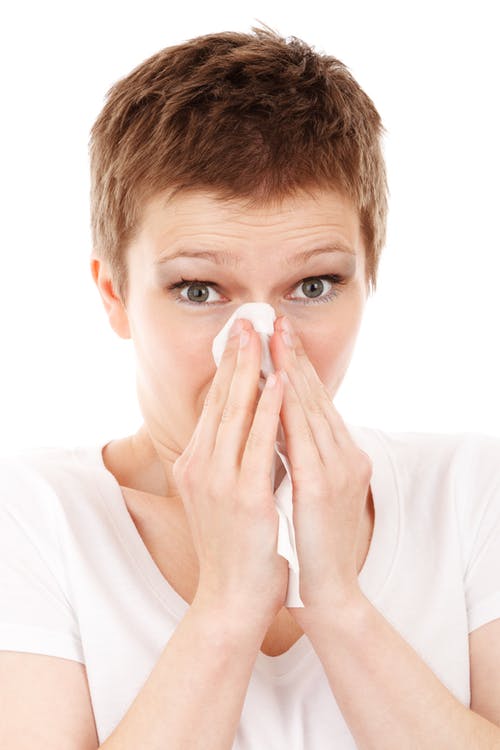
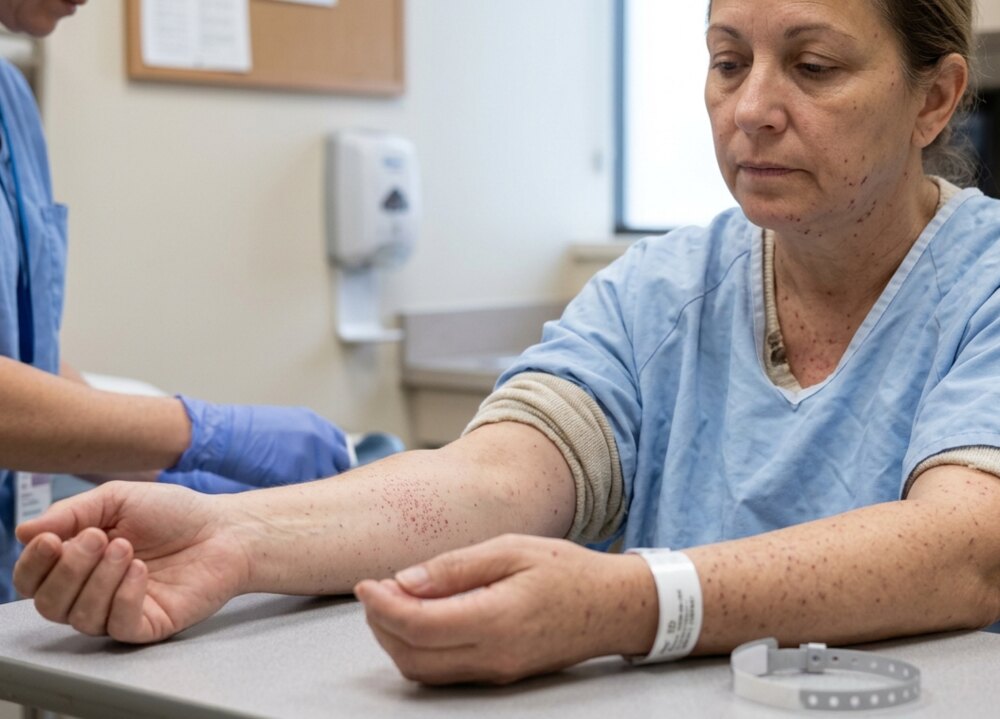
Symptoms vary by cause and may appear within hours or weeks.
Common symptoms include:
- Upset stomach
- Vomiting
- Loose stools, sometimes with blood
- Abdominal pain and cramps
- Fever
Less common symptoms affecting the nervous system include:
- Blurred or double vision
- Headache
- Weakness
- Tingling or numbness
- Paralysis
Why does this disease occur?
Food poisoning occurs due to contaminated food or drinks. Contaminants may include bacteria, viruses, parasites, toxins, or molds.
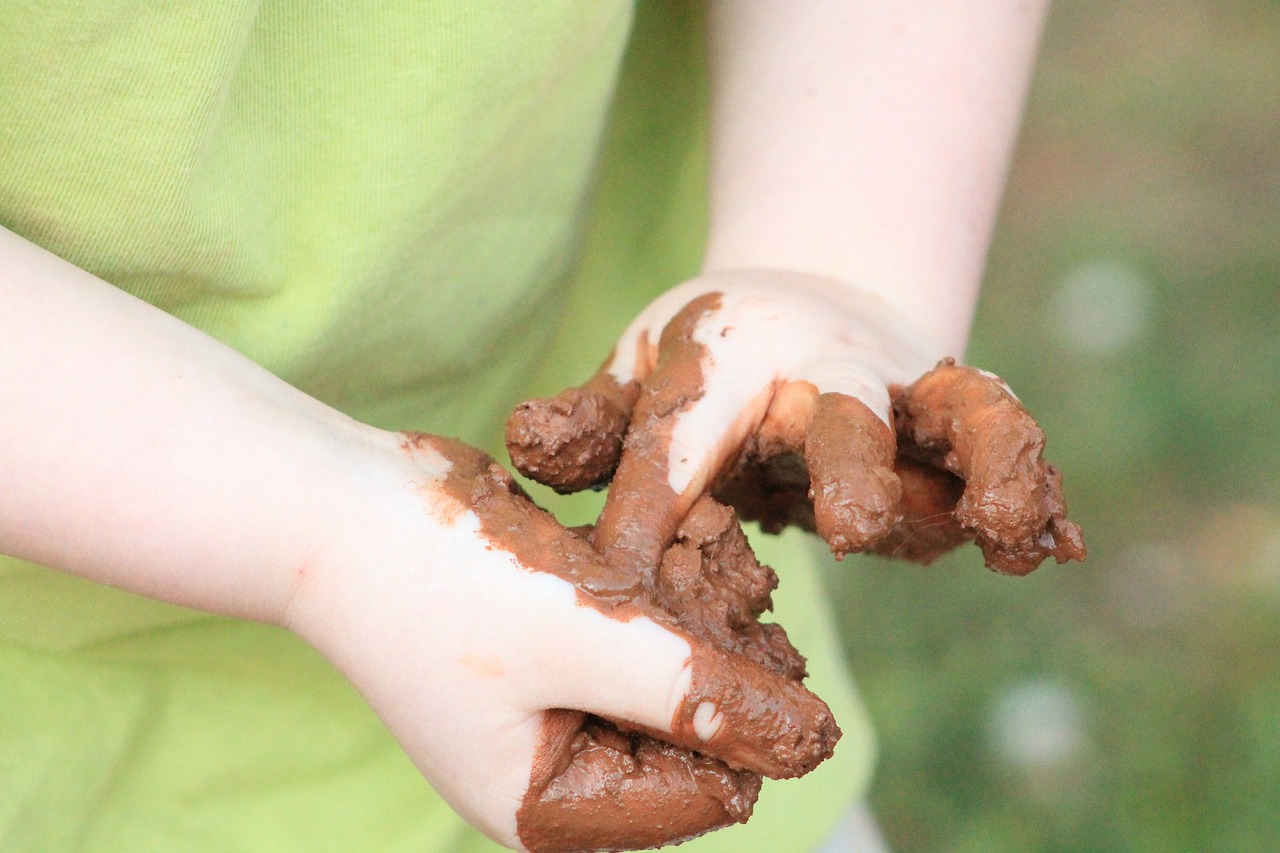
Contamination can happen at any stage, including production, processing, storage, transport, or preparation. Poor hygiene, unclean utensils, and improper storage are common causes. Food left at unsafe temperatures can also become contaminated or spoiled.
Who is at risk of this disease?
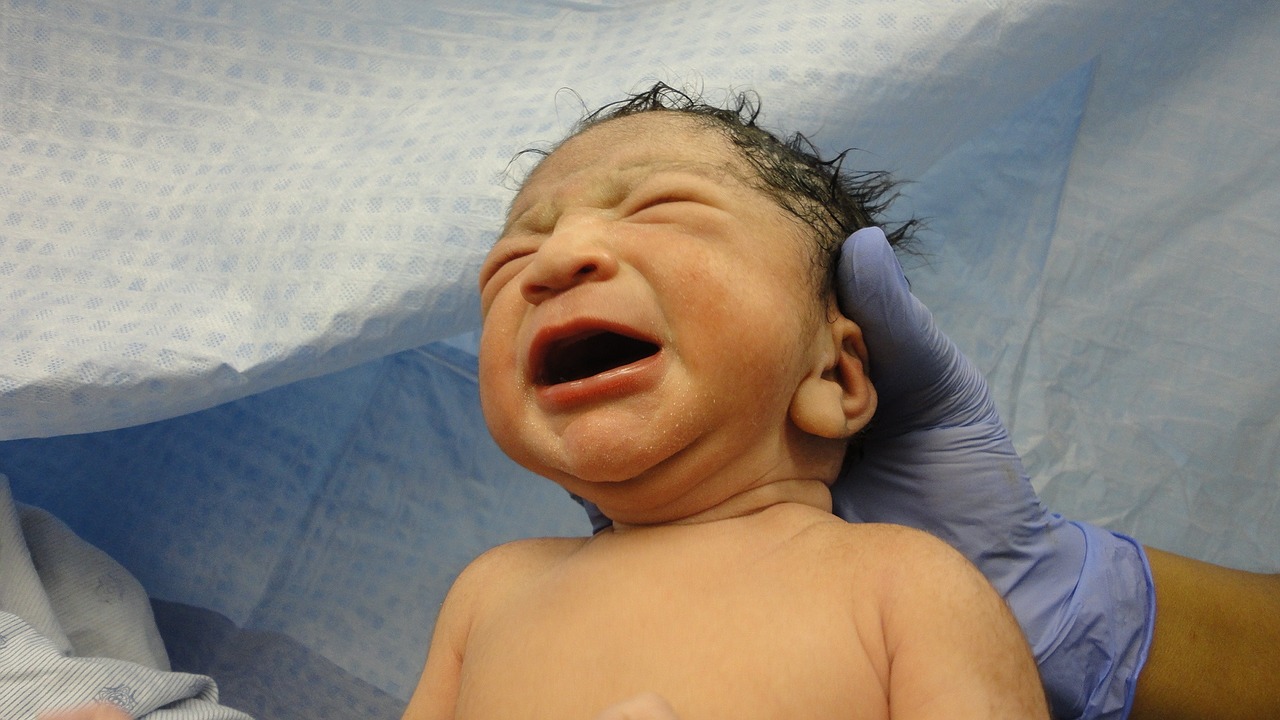
Anyone can develop Food poisoning. However, some groups face a higher risk of severe illness:
- Infants and children
- Pregnant individuals and unborn babies
- Older adults
- People with weakened immune systems
What are the possible complications?
Dehydration
Dehydration is the most common complication. It occurs because of fluid loss from vomiting and diarrhea. Severe dehydration may require hospital treatment with IV fluids. If untreated, it can lead to organ damage or death.
Systemic infections
Some infections spread throughout the body and cause serious illness. These may include:
- Kidney damage, such as hemolytic uremic syndrome linked to E. coli
- Bacteria entering the bloodstream
- Meningitis, which affects the brain and spinal cord
- Sepsis, where the immune system damages body tissues
Pregnancy complications
Infections like Listeria during pregnancy may cause miscarriage, stillbirth, or serious infections in newborns.
Rare complications
Rare outcomes may include:
- Arthritis causes joint pain and swelling
- Irritable bowel syndrome with ongoing digestive issues
- Guillain-Barré syndrome causes nerve damage, weakness, and numbness
- Breathing difficulties in rare cases, such as botulism
When should you see a doctor?
In infants and children
Seek medical care if symptoms include:
- Behavioral or mental changes
- Excessive thirst
- Little or no urination
- Weakness or dizziness
- Diarrhea lasting more than one day
- Frequent vomiting
- Blood or pus in stool
- Severe abdominal or rectal pain
- Fever in children under 2 years
- Fever of 102°F (38.9°C) or higher in older children
- Existing medical conditions
In adults
Seek medical help if you have:
- Nervous system symptoms such as blurred vision, weakness, or tingling
- Changes in mental state or behavior
- Fever of 103°F (39.4°C) or higher
- Frequent vomiting
- Diarrhea lasting more than three days
- Signs of dehydration, such as dry mouth, dizziness, or low urination
How is this disease diagnosed?
Diagnosis of Food poisoning is based on symptoms, medical history, and recent food intake. Doctors may also ask about travel history and exposure to sick individuals.
Tests may include stool tests to identify pathogens and blood tests to check for infection or complications. In many cases, identifying the exact source is difficult due to delayed symptoms.
What are the treatment options?
Treatment depends on severity and cause. Many cases do not require medication.
Options include:
- Fluid replacement to prevent dehydration, including IV fluids in severe cases
- Antibiotics for serious bacterial infections
- Antiparasitic medicines for parasitic infections
- Probiotics to restore healthy gut bacteria
Some over-the-counter medicines may help adults with mild symptoms, but they are not suitable for children.
How can you take care of yourself at home?
Most cases improve within 48 hours.
Home care includes:
- Drinking fluids such as water, broth, or rehydration solutions
- Getting adequate rest
- Eating light foods like crackers, rice, bananas, noodles, oats, soups, and boiled vegetables
- Avoiding heavy or irritating foods initially
- Reintroducing a normal diet gradually as symptoms improve
How can this disease be prevented?
Cleaning
- Wash your hands with soap and water for at least 20 seconds
- Wash fruits and vegetables before use
- Clean kitchen utensils and surfaces thoroughly
- Regularly clean the refrigerator and remove mold
Food handling and storage
- Keep raw foods separate from cooked or ready-to-eat foods
- Thaw, cook, and store food safely
- Reheat leftovers to safe temperatures
- Refrigerate leftovers promptly
- Discard food if its safety is uncertain
- Remove moldy food appropriately, depending on the type
Safety for high-risk groups
High-risk individuals should avoid:
- Raw or undercooked meat, fish, and eggs
- Unpasteurized milk and juices
- Soft cheeses made from unpasteurized milk
- Raw sprouts
- Refrigerated deli meats and certain ready-to-eat foods
Frequently Asked Questions (FAQs)
Q1. How long does food poisoning last?
Most cases of Food poisoning resolve within 1 to 2 days. Some infections may last longer depending on the cause and severity.
Q2. Can food poisoning become serious?
Yes. While most cases are mild, it can become serious in vulnerable individuals and may lead to dehydration, infections, or other complications.
Important Note: This information is for awareness purposes only. Please consult a healthcare professional for medical advice, diagnosis, or treatment.