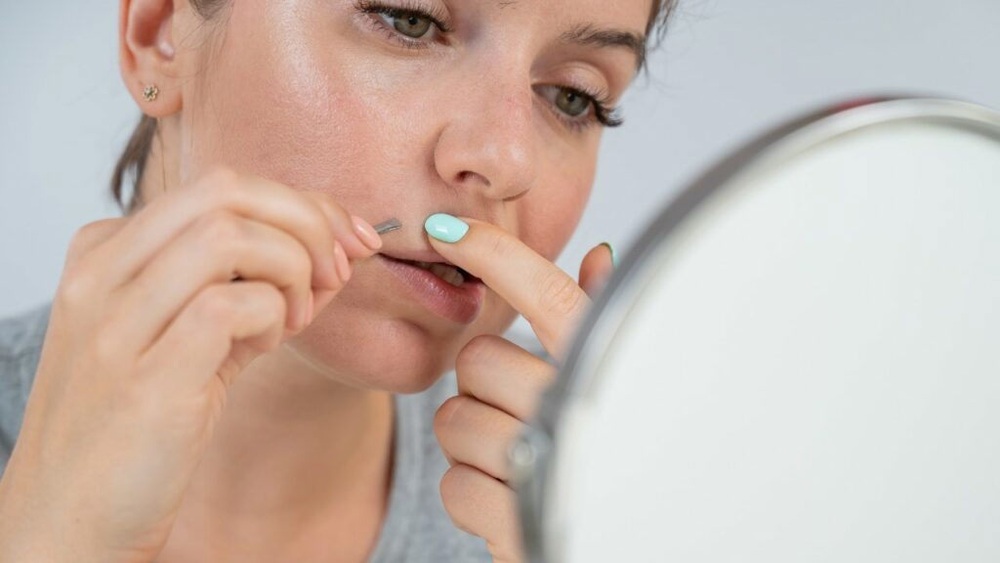
Hirsutism is a condition that causes excessive growth of dark or coarse hair in women. The hair usually appears in areas where women normally have little hair, such as the face, chest, or back. The condition is often linked to increased levels of male hormones called androgens and may sometimes signal an underlying hormonal disorder.
What are the symptoms of Hirsutism?
Hirsutism is characterized by excessive hair growth in areas where women typically have little hair. Common areas include:
- Face
- Chest
- Lower abdomen
- Inner thighs
- Back
If androgen levels are high, other symptoms may develop over time. These changes are called virilization. Possible signs include:
- Deeper voice
- Thinning scalp hair
- Acne
- Reduced breast size
- Increased muscle mass
- Enlarged clitoris
Why does Hirsutism occur?
Hirsutism often develops due to hormonal imbalance or certain medical conditions. Common causes include:
Polycystic ovary syndrome (PCOS) – A hormonal disorder that may cause irregular periods and excess hair growth
Cushing syndrome – Occurs when the body produces too much cortisol
Congenital adrenal hyperplasia – An inherited disorder affecting hormone production
Tumors –Rare ovarian or adrenal tumors may release androgens
Medications –Some medicines, such as minoxidil, danazol, testosterone, and DHEA, may trigger excessive hair growth
In some cases, the condition develops without a clear cause
Who is at risk of Hirsutism?
Certain factors may increase the likelihood of developing hirsutism. These include:
- Family history of hormonal disorders
- Mediterranean, Middle Eastern, or South Asian ancestry
- Obesity, which can increase androgen production
What are the possible complications?
- Hirsutism may affect emotional well-being and self-confidence. Many individuals feel self-conscious about visible, unwanted hair.
- The condition itself usually does not cause physical illness. However, it may indicate an underlying hormonal disorder.
- Women who have hirsutism and irregular periods may have PCOS, which can lead to infertility.
- Some medicines used to treat hirsutism may cause birth defects
When should you see a doctor?
You should consult a doctor if you notice excessive hair growth on the face or body. Medical advice is especially important if:
- Hair growth increases rapidly
- Acne or a deepened voice appears
- Scalp hair begins thinning
A doctor may refer you to an endocrinologist or a dermatologist.
How is Hirsutism diagnosed?
Doctors usually begin with a physical examination and questions about medical history. Tests may include:
- Blood tests to measure hormone levels, such as testosterone
- Pelvic examination to check for abnormal growths
- Imaging test,s such as MRI or CT scans, to detect tumors
What are the treatment options?
Treatment depends on the cause and severity of the condition. Common approaches include:
- Treating the underlying medical condition
- Hormone-related medications
- Medical hair-removal procedures
- Medications may include birth control pills, anti-androgen medicines, or prescription creams that slow hair growth.
- Procedures such as laser therapy and electrolysis can reduce hair growth for longer periods
How can you take care of yourself at home?
Some self-care methods can temporarily remove or reduce unwanted hair. Common options include:
- Plucking
- Shaving
- Waxing
- Hair-removal creams
- Bleaching hair to make it less visible
- These methods provide short-term results and need regular repetition
How can Hirsutism be prevented?
- Hirsutism cannot always be prevented
- However, maintaining a healthy weight may help reduce symptoms. This is particularly helpful for people with polycystic ovary syndrome
Frequently Asked Questions (FAQs)
Q1. Is hirsutism a serious condition?
Hirsutism itself is usually not dangerous. However, it may signal an underlying hormonal disorder that requires medical attention.
Q2. Can hirsutism be treated permanently?
Treatment can reduce hair growth and control symptoms. Procedures such as laser therapy or electrolysis may provide longer-lasting results.
Important Note: This information is for awareness purposes only. Please consult a healthcare professional for medical advice, diagnosis, or treatment.