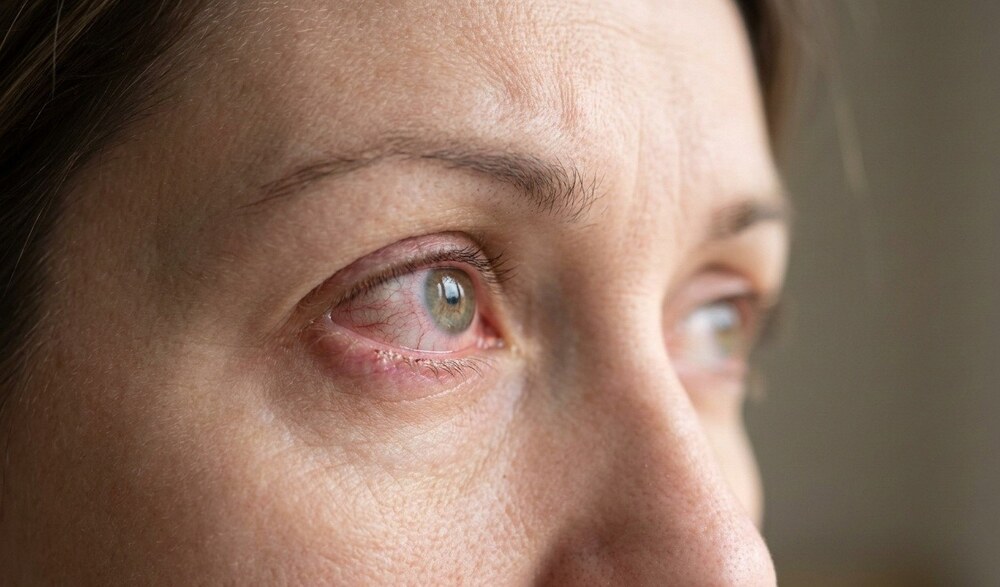
Dry eye disease is a common eye condition that occurs when the eyes do not produce enough tears or when tears evaporate too quickly. Dry eyes result in poor lubrication of the ocular surface. As a result, people may experience irritation, redness, and blurred vision, especially during screen use or in dry environments.
What are the symptoms?
Dry eye symptoms usually affect both eyes and may include:
- Burning, stinging, or scratchy sensation in the eyes
- Red or irritated eyes
- Sensitivity to light
- A feeling that something is stuck in the eye
- Watery eyes due to irritation
- Blurred vision or tired eyes
- Difficulty wearing contact lenses
- Trouble driving at night
- Stringy mucus in or around the eyes
Why does this disease occur?
Dry eye disease develops when the tear film becomes unstable. The tear film has three layers: oil, water, and mucus. These layers keep the eyes moist and protected. The condition may occur due to:
- Reduced tear production
- Faster evaporation of tears
- Blocked oil glands in the eyelids
- Hormonal changes
- Autoimmune diseases
- Allergic eye conditions
- Certain medications
- Environmental factors such as wind, smoke, or dry air can also worsen symptoms.
Who is at risk of this disease?
Some people are more likely to develop dry eye disease. Risk factors include:
- Age above 50 years
- Being female, especially during pregnancy or menopause
- Long hours of computer or mobile screen use
- Wearing contact lenses
- Previous laser eye surgery
- A diet low in vitamin A or omega-3 fatty acids
- Living in dry or windy climates
What are the possible complications?
- If dry eyes are not treated, several complications may develop. These include:
- Eye infections
- Damage to the surface of the eye
- Corneal scratches or ulcers
- Increased eye inflammation
- Vision problems in severe cases
- Reduced quality of life due to constant eye discomfort
When should you see a doctor?
Seek medical advice if you experience:
- Persistent redness or irritation
- Eye pain or swelling
- Frequent blurred vision
- Extreme dryness or burning sensation
- Difficulty performing daily tasks like reading or driving
How is this disease diagnosed?
Doctors diagnose dry eye disease through several eye examinations. Common diagnostic methods include:
- A comprehensive eye examination
- Tear production tests, such as the Schirmer test
- Tear quality tests using special dyes
- Tear osmolarity testing to measure tear composition
- Laboratory analysis of tear samples
- These tests help doctors determine the severity and cause of the condition
What are the treatment options?
Treatment depends on the severity and underlying cause of dry eye disease. Common treatment options include:
- Artificial tear eye drops
- Anti-inflammatory eye drops prescribed by doctors
- Antibiotics for eyelid gland inflammation
- Tear-stimulating medications
- Silicone punctal plugs to block tear drainage
- Special contact lenses to protect the eye surface
- Warm compress therapy to unblock eyelid glands
- Advanced procedures such as intense pulsed light therapy
- Doctors may also treat underlying conditions causing the problem.
How can you take care of yourself at home?
Home care can help manage dry eye symptoms effectively. Helpful measures include:
- Using artificial tears regularly
- Taking frequent breaks from screens
- Blinking often while reading or using a computer
- Applying warm compresses to the eyelids
- Cleaning eyelids gently to remove debris
- Drinking enough water to stay hydrated
- Using a humidifier indoors may also help maintain moisture in the air.
How can this disease be prevented?
While dry eye disease cannot always be prevented, certain habits can reduce the risk. Preventive steps include:
- Avoid direct airflow from fans or air conditioners
- Wear protective sunglasses outdoors
- Limit screen time and take regular breaks
- Maintain a healthy diet rich in vitamin A and omega-3 fatty acids
- Avoid smoking and exposure to smoke
- Keep indoor air humidified
- Simple practices such as proper hydration, balanced nutrition, and regular eye checkups can help maintain healthy vision and reduce the risk of dry eye problems
Frequently Asked Questions (FAQs)
Q1. Can dry eyes cause blurry vision?
Yes. Dry eye disease can disrupt the tear film that protects the eye surface, leading to temporary blurred vision.
Q2. Is dry eye disease permanent?
In many cases, it is a chronic condition, but symptoms can be controlled with proper treatment and lifestyle changes.
Important Note: This information is for awareness purposes only. Please consult a healthcare professional for medical advice, diagnosis, or treatment.