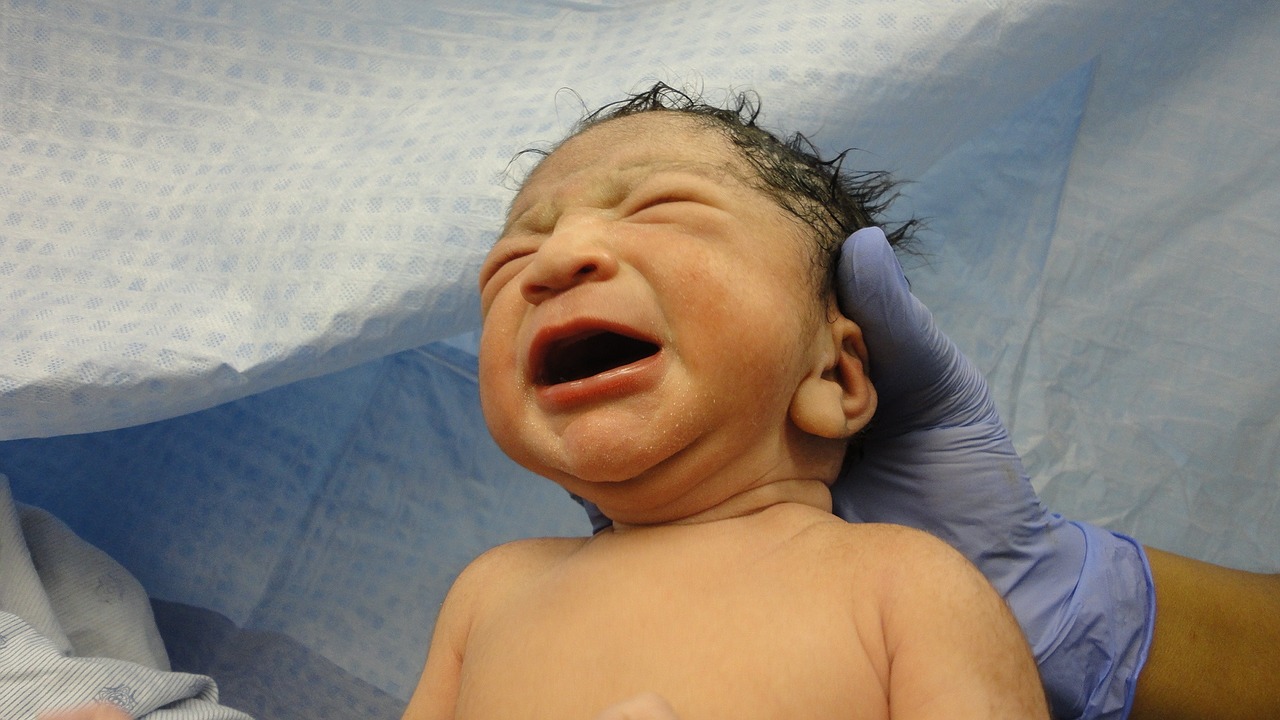
Fever is a temporary rise in body temperature, usually caused by infection and part of the immune response. It is often uncomfortable but not dangerous for most children and adults. In infants, even a mild fever may signal a serious infection.
What are the symptoms?
- Oral temperature of 100°F (37.8°C) or higher
- Sweating or chills
- Headache
- Muscle aches
- Loss of appetite
- Irritability or general weakness
- Dehydration
Why does this disease occur?
Fever occurs when the body’s immune system reacts to infection, inflammation, or other triggers. Common causes include:
- Viral or bacterial infections
- Heat exhaustion
- Inflammatory conditions like rheumatoid arthritis
- Cancerous tumors
- Certain medications
- Vaccinations (DTaP, pneumococcal, COVID)
Who is at risk of this disease?
- Infants and toddlers
- Children aged 6 months to 5 years (risk of febrile seizures)
- Adults with weakened immunity or chronic illness
- Anyone exposed to infectious diseases
What are the possible complications?
- Febrile seizures in young children
- Dehydration
- Severe illness in infants under two months
- Rare complications from prolonged or very high fever
When should you see a doctor?
Infants and toddlers
Under 3 months: rectal temperature ≥100.4°F (38°C)
3–6 months: >102°F (38.9°C) or unusual irritability or lethargy
7–24 months: >102°F (38.9°C) lasting more than a day without other symptoms
Children
- Fever lasting more than 3 days
- Seizures, confusion, or poor eye contact
- Severe headache, vomiting, sore throat, or stomach pain
- Fever after being left in a hot car
Adults
- Temperature ≥103°F (39.4°C)
- Severe headache, rash, stiff neck, vomiting, or confusion
- Chest pain, breathing difficulty, or seizures
How is this disease diagnosed?
- Medical history review
- Physical examination
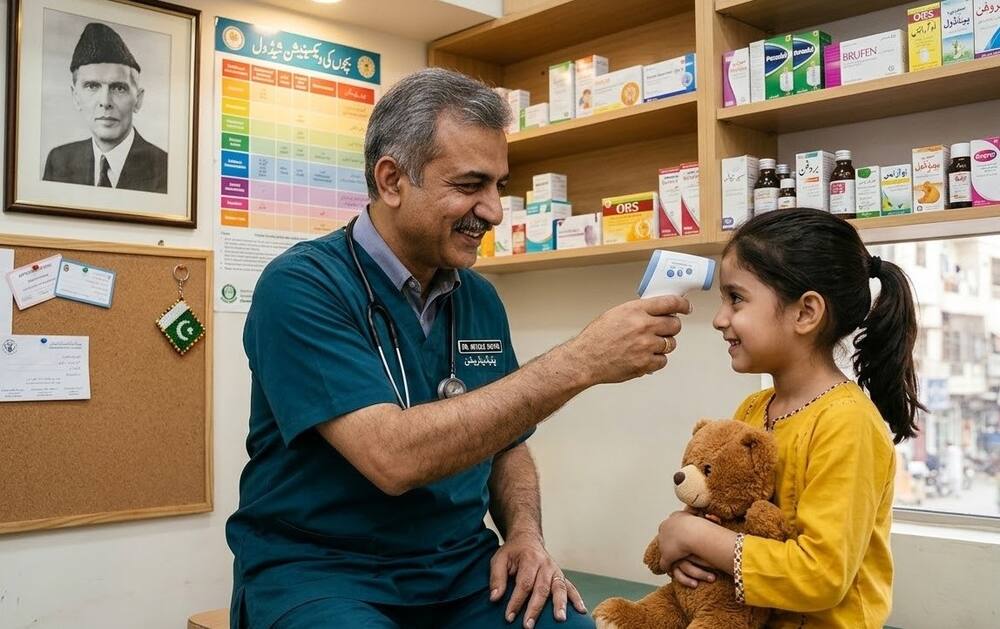
- Temperature measurement (oral, rectal, ear, or forehead)
- Laboratory tests or chest X-ray if required
- Hospitalization for infants under two months for testing and treatment
What are the treatment options?
- Over-the-Counter Medications
- Acetaminophen or ibuprofen to reduce fever and discomfort
- Avoid aspirin in children (risk of Reye’s syndrome)
Prescription Medications
Based on the underlying cause, such as infection or inflammation. Hospital admission, IV medications, and monitoring may be needed
How can you take care of yourself at home?
- Drink plenty of fluids; infants under 6 months: breast milk or formula only
- Rest to support recovery
- Stay cool with light clothing, moderate room temperature, and light bedding
- Monitor symptoms and temperature
How can this disease be prevented?
- Follow vaccination schedules (flu, COVID-19, DTaP, pneumococcal)
- Wash hands frequently and teach children proper hygiene
- Avoid touching your nose, mouth, and eyes
- Cover coughs and sneezes properly
- Avoid sharing cups, bottles, and utensils
- Follow mask and distancing guidelines when necessary
Frequently Asked Questions (FAQs)
Q1. Can a mild fever be left untreated?
Yes. The mild fever often helps fight infection, but monitor for discomfort or prolonged duration.
Q2. How long does a typical fever last?
Most fevers resolve within a few days. Seek care if the fever is high or persistent.
Important Note: This information is for awareness purposes only. Please consult a healthcare professional for medical advice, diagnosis, or treatment.