Dry socket is a painful complication that may develop after a tooth is extracted. It occurs when the protective blood clot does not form properly, shifts out of place, or breaks down too soon. As a result, the underlying bone and nerves become exposed, causing intense pain, slow healing, and discomfort that can spread to the face, ear, or neck. It is also known as alveolar osteitis
What are the symptoms?
- Intense pain that begins a few days after tooth extraction
- The blood clot at the extraction site partially or completely disappears, leaving the socket empty
- Bone becomes visible inside the socket
- Pain spreads from the socket to the ear, eye, temple, or neck on the same side of the face
- Foul odor or bad breath from the mouth
- Unpleasant or metallic taste in the mouth
Why does this disease occur?
- Dry socket occurs when the blood clot at the extraction site is lost or does not form properly
- Bacteria entering the wound can contribute to its development
- Trauma during a difficult tooth extraction can trigger dry socket
- Impacted or abnormally positioned wisdom teeth increase the risk
Who is at risk of this disease?
- Smokers and tobacco users
- People using birth control pills
- Patients who do not follow home-care instructions
- Those with poor oral hygiene
- People with a current or past infection near the extraction site
What are the possible complications?
- Delayed healing of the socket
- Prolonged and severe pain
- Increased discomfort after extraction
- Possible infection in the socket
When should you see a doctor?
- You should see a dentist if the pain worsens instead of improving after tooth removal
- New pain appearing a few days after extraction also needs immediate medical attention
How is this disease diagnosed?
- Diagnosis is usually based on severe pain and a clinical mouth examination
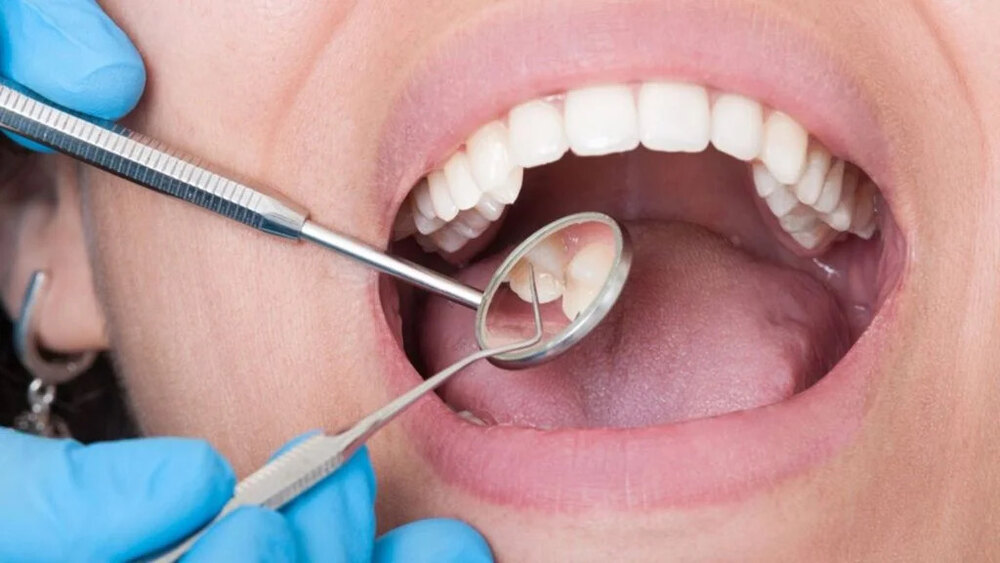
- The dentist checks whether the blood clot is missing and the bone is exposed
- X-rays may be taken to rule out infection or remaining bone or tooth fragments
What are the treatment options?
- The dentist or oral surgeon flushes out the socket to remove food particles and debris, reducing pain and preventing infection.
- A medicated gel, paste, or dressing may be placed in the socket for quick pain relief; the frequency of replacement depends on symptom severity.
- Prescription-strength painkillers may be given to control stronger discomfort.
- After the dressing is removed, patients may rinse the socket at home using a curved-tip syringe with water, saltwater, or a prescribed rinse.
What can the dentist do?
- Place a medicated dressing in the socket
- Use antibacterial or antiseptic solutions
- Prescribe antibiotics only if necessary
What are the home remedies for it?
- Take all pain medicines exactly as prescribed
- Avoid smoking or using any tobacco products
- Drink plenty of clear fluids; this can also help prevent nausea from pain medicine
- Rinse your mouth gently several times a day with warm salt water
- Brush your teeth carefully, avoiding direct contact with the dry socket
- Be cautious while eating or drinking; avoid carbonated drinks and do not use a straw to protect the blood clot
- Pain usually begins to ease within a few days, but follow-up appointments are important for dressing changes and monitoring healing.
How can this disease be prevented?
Before tooth removal
- Select a dentist or oral surgeon with experience in extractions
- Keep teeth and gums clean through proper oral hygiene
- Stop smoking before the procedure
- Tell your dentist about all medications and supplements you are taking
After tooth removal
- Rest and avoid strenuous activity
- Do not use a straw
- Avoid smoking for at least 48 hours
- Eat only soft foods initially
- Follow the instructions for cleaning your mouth carefully
Frequently Asked Questions (FAQs)
Q1. How long does dry socket pain usually last?
With proper treatment, pain usually improves within a few days and continues to decrease.
Q2. Can over-the-counter painkillers treat dry socket?
No, common painkillers are usually not strong enough, and professional treatment is needed.
Important Note: This information is for awareness purposes only. Please consult a healthcare professional for medical advice, diagnosis, or treatment.