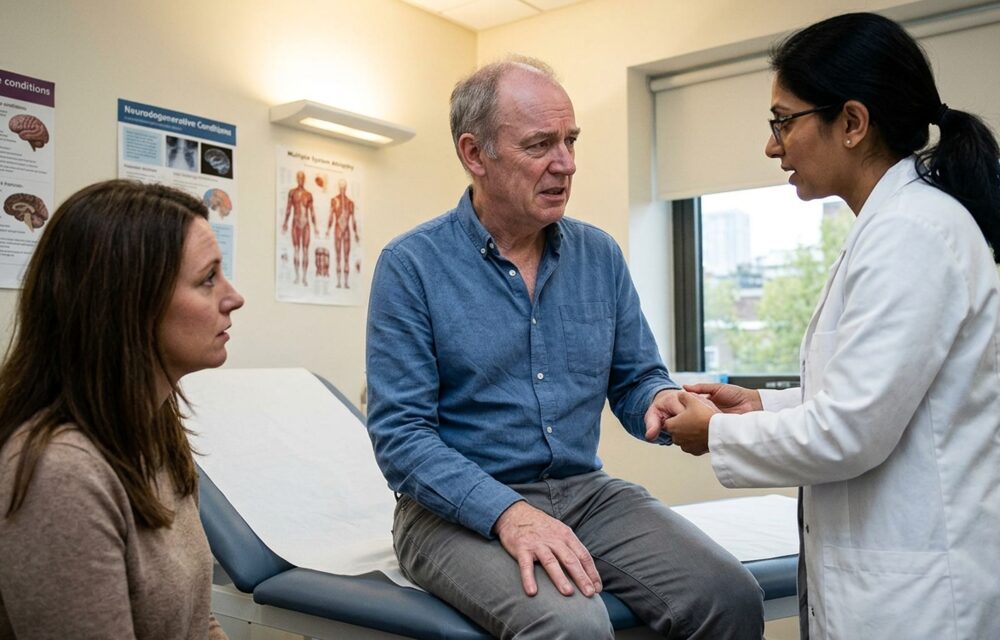
Cancer describes a broad group of diseases defined by abnormal cells that divide without control and destroy healthy tissue. As a leading cause of global mortality, it is known for its ability to spread throughout the body. Fortunately, modern advancements in screening, prevention, and treatment are steadily improving survival rates for patients worldwide.
What are the symptoms?
Signs of cancer vary depending on which part of the body is affected. Common general symptoms include:
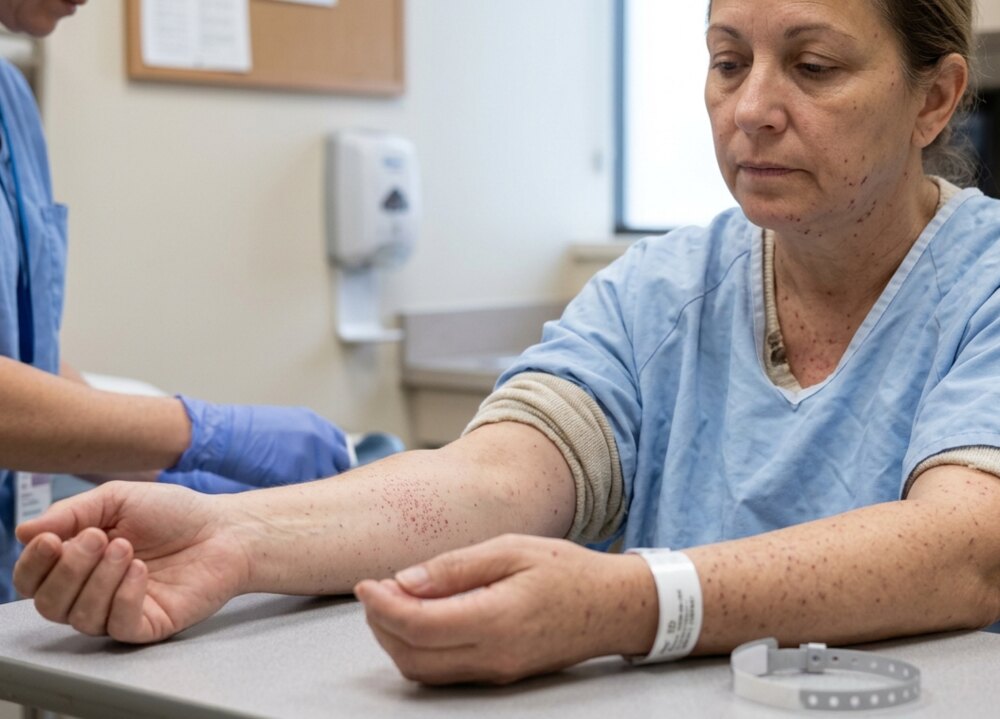
Physical Changes: Unexplained lumps, skin thickening, or changes in the color and size of existing moles
Systemic Issues: Fatigue, persistent fevers, night sweats, or unintended weight gain or loss
Digestion and Respiratory: Changes in bowel or bladder habits, persistent cough, hoarseness, or difficulty swallowing
Pain and Bleeding: Unexplained muscle or joint pain, unusual bruising, or bleeding
Why does this disease occur?
- Cancer is caused by DNA mutations within cells
- DNA contains the instructions for growth. When these instructions are corrupted, cells may grow too fast or fail to stop dividing
- These mutations can be inherited from parents or acquired through environmental factors like smoking, radiation, and chemical exposure
Who is at risk of this disease?
While cancer can affect anyone, certain factors increase the likelihood:
Age: The risk increases over time; most cases occur in adults aged 65 or older
Habits: Smoking, excessive alcohol consumption, obesity, and unsafe sex
Family History: A small percentage of cancers are linked to inherited genetic mutations passed through generations
Health & Environment: Chronic conditions like ulcerative colitis or exposure to chemicals like asbestos and benzene
What are the possible complications?
Both the disease and its treatments can lead to:
Physical Distress: Pain, nausea, and shortness of breath
Fatigue: A common side effect of chemotherapy and radiation that is usually temporary
Systemic Damage: Chemical imbalances, nerve pressure, or brain-related issues like strokes
Metastasis: The risk of cancer spreading to other parts of the body or returning after treatment
When should you see a doctor?
- Schedule an appointment if you notice any persistent symptoms that concern you
- If you have no symptoms but are worried about your risk due to family history, talk to your doctor about appropriate screening tests and preventative procedures
How is this disease diagnosed?
Doctors use several methods to identify and stage cancer:
- Physical examination to assess lumps, skin color changes, or organ enlargement
- Lab tests for analyzing blood and urine for abnormalities
- Using CT scans, MRIs, X-rays, or ultrasounds to visualize internal structures
- Biopsy for laboratory study. This is the only definitive way to confirm a diagnosis
What are the treatment options?
Treatment depends on the cancer’s stage (ranked 0 to IV). Strategies include:
Primary Treatment: Usually surgery, intended to remove the cancer entirely
Adjuvant Treatment: Therapies like chemotherapy or radiation are used after primary treatment to kill remaining cells
Palliative Care: Focused on relieving symptoms and improving quality of life
Advanced Therapies: Immunotherapy, hormone therapy, and targeted drug treatments
How can you take care of yourself at home?
While medical treatment is primary, you can manage the journey by:
- Working with your doctor to manage side effects like nausea and constipation
- Seeking specialized help for cancer-related pain
- Maintaining a follow-up care plan that includes periodic scans to monitor for recurrence
How can this disease be prevented?
You can lower your risk by adopting a healthier lifestyle:
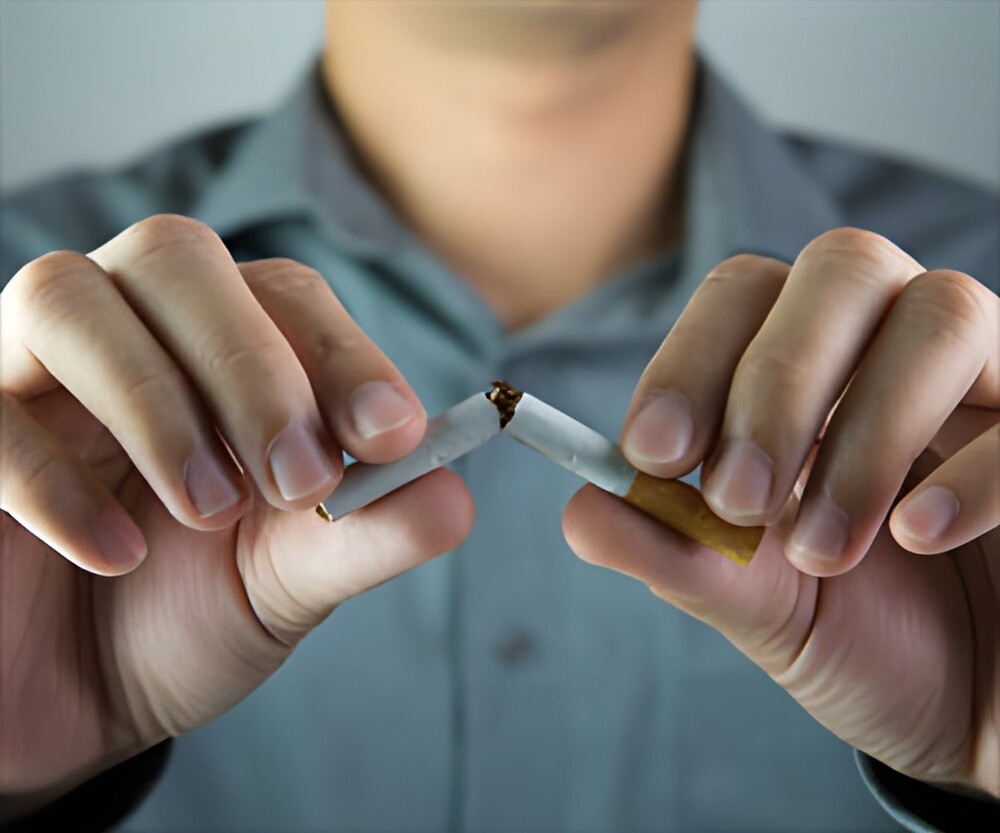
- Stop smoking
- Eat a diet rich in fruits and vegetables and exercise most days
- Limit UV exposure and use sunscreen to prevent skin cancer
- Ask your doctor about vaccines for HPV and Hepatitis B
Frequently Asked Questions (FAQs)
Q1. Does an inherited gene mutation mean I will definitely get cancer?
No. An inherited mutation increases your predisposition, but cancer usually requires a combination of several mutations to develop over time
Q2. Why is weight loss from cancer so difficult to treat?
Cancer "steals” nutrients from healthy cells. This weight loss is often unaffected by calorie intake, making artificial nutrition through tubes generally ineffective.
Important Note: This information is for awareness purposes only. Please consult a healthcare professional for medical advice, diagnosis, or treatment.