Adult Still disease is a rare inflammatory arthritis marked by fever, joint pain, and skin rashes. It is named after Sir George Frederick Still, the British pediatrician who first described a similar arthritis in children.
What Are the Symptoms?
- Fever can spike to 102°F (38.9°C) once or twice a day and may last a week or more
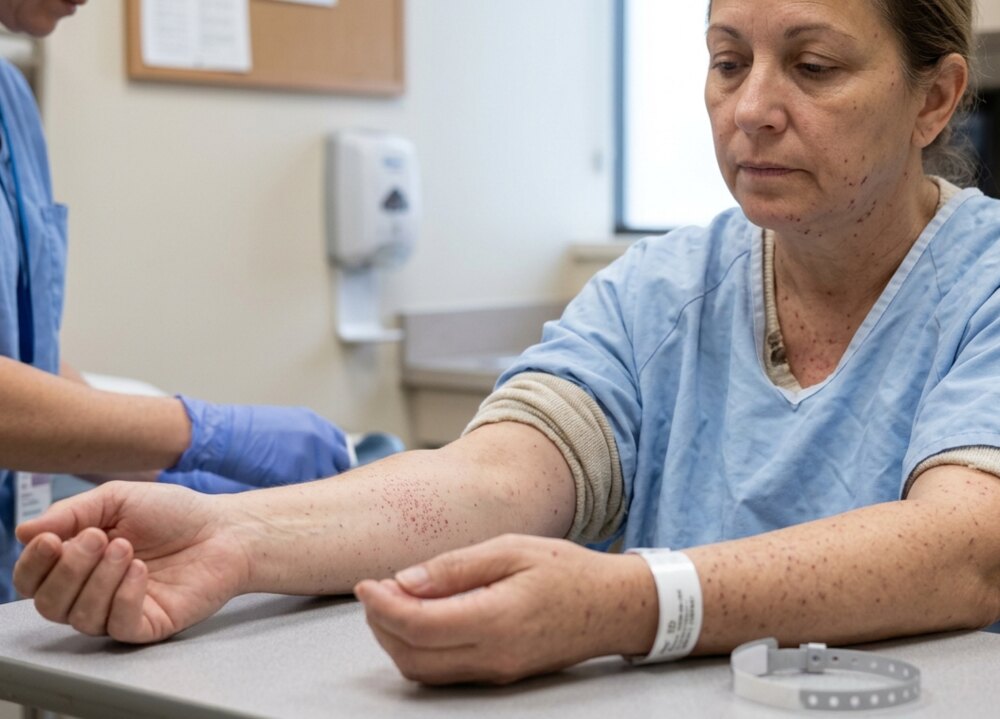
- Skin rashes appear and disappear with fever, usually on the trunk, arms, or legs
- A sore throat often appears early, with neck lymph nodes sometimes swollen and tender
- Joint pain and swelling commonly affect the knees and wrists, but ankles, elbows, hands, and shoulders may also ache for at least two weeks
- Muscle pain comes and goes with fever and can interfere with daily activities
Symptoms vary and may mimic lupus or lymphoma.
Why Does This Disease Occur?
The exact cause of Adult Still disease remains unknown. Researchers believe that viral or bacterial infections may trigger an overactive immune response, leading to widespread inflammation.
Who Is at Risk of This Disease?
- Age is the main risk factor for Adult Still disease
- It most often affects adults between 15-25 and 36-46 years of age
- Men and women are equally susceptible
What Are the Possible Complications?
- Chronic inflammation can damage joints, especially knees and wrists, and may affect the neck, fingers, hips, or feet
- The heart may become inflamed, leading to pericarditis (lining) or myocarditis (muscle)
- Inflammation around the lungs can cause fluid buildup, making deep breathing difficult
- Rarely, macrophage activation syndrome, a serious immune reaction, can harm the heart, liver, spleen, or kidneys
When Should You See a Doctor?
- Consult a doctor if you have a high fever, rash, or joint pain
- Seek urgent medical attention for cough, difficulty breathing, chest pain, or any unusual symptoms
How Is This Disease Diagnosed?
- No single test can definitively diagnose Adult Still disease
- Imaging tests reveal joint or organ damage caused by the disease
- Blood tests help rule out other conditions with similar symptoms
What Are the Treatment Options?
NSAIDs: Reduce mild joint pain and inflammation (ibuprofen, naproxen)
Steroids: Prednisone lowers inflammation but may increase infection risk, osteoporosis, or diabetes
Methotrexate: Often combined with steroids to reduce dosage
Biologics: Medications like anakinra, canakinumab, tocilizumab, etanercept, infliximab, adalimumab, or rituximab block proteins causing inflammation
How Can You Take Care at Home?
- Take all prescribed medications consistently to control inflammation and prevent complications
- Consider calcium and vitamin D supplements to protect bone health, especially when on high-dose steroids
- Engage in regular exercise to maintain joint flexibility, reduce stiffness, and ease mild pain
How Can This Disease Be Prevented?
- Prevention is limited because the exact cause of Adult Still disease is unknown
- Early treatment helps control symptoms and reduce risks
- Following prescribed medications consistently is essential to prevent complications
- Regular medical monitoring can help detect and manage issues early
Frequently Asked Questions (FAQs)
Q1. Can Adult Still disease be cured?
There is no permanent cure. The disease may resolve on its own or require ongoing management to control inflammation.
Q2. Is this disease life-threatening?
Complications are possible, especially heart or organ inflammation; however, proper treatment significantly reduces these risks.
Important Note: This information is for awareness purposes only. Please consult a healthcare professional for medical advice, diagnosis, or treatment.