Churg-Strauss Syndrome, also known as Eosinophilic Granulomatosis with Polyangiitis (EGPA), is a rare disorder characterized by inflammation in small and medium-sized blood vessels. It can affect the heart, kidneys, lungs, nerves, and other organs. Early recognition and treatment are crucial to manage symptoms and prevent serious complications.
What are the symptoms?
Symptoms vary widely and can range from mild to severe.
- Adult-onset asthma
- Nasal allergies, sinus infections, and nasal polyps
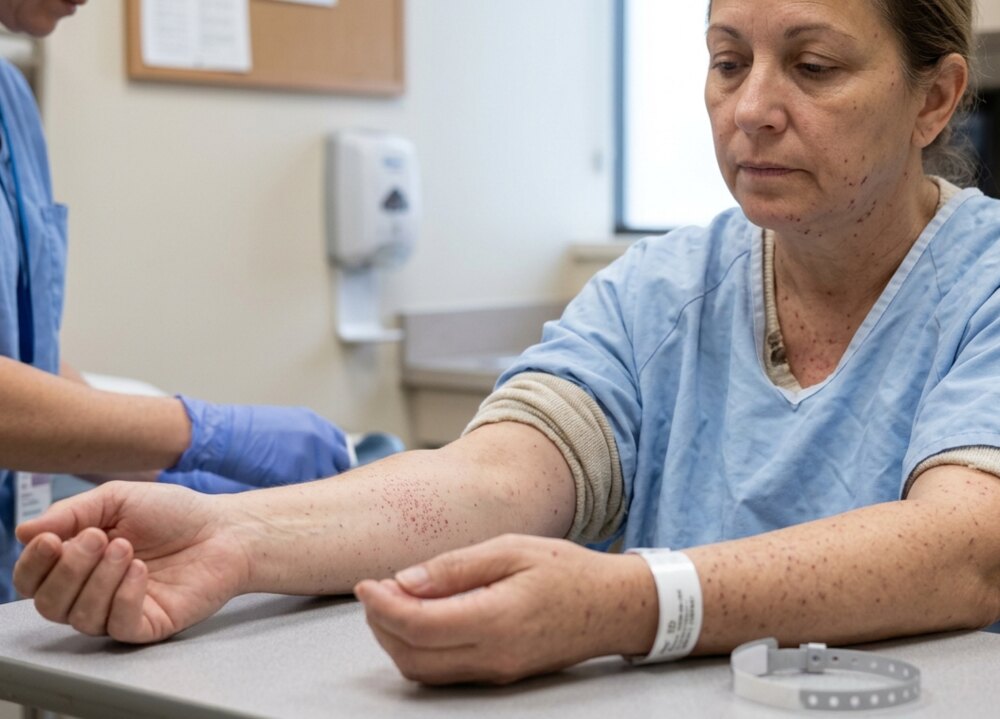
- Skin rashes or sores
- Stomach pain, nausea, vomiting, or bleeding
- Numbness, tingling, or burning in hands and feet
- Fatigue, weakness, or a general feeling of illness
- Joint and muscle pain
- Hearing loss
The disease often progresses through three stages: allergic, eosinophilic, and vasculitic. Stages may overlap, and not everyone experiences all three.
Why does this disease occur?
- The exact cause of EGPA is not fully known
- Genetic and environmental factors likely contribute
- In some cases, allergens or medications trigger an overactive immune response
- Instead of protecting the body, the immune system attacks healthy tissues, causing blood vessel inflammation and organ damage
Who is at risk of this disease?
- EGPA can affect anyone, but it is most commonly diagnosed around age 50
- Adult-onset asthma
- Chronic nasal or sinus problems
- Allergies and nasal polyps
- Family history of autoimmune diseases
- Exposure to allergens or immune triggers
- Having these factors does not guarantee EGPA, but it increases the risk.
What are the possible complications?
If left untreated, EGPA can cause permanent damage to multiple organs. Common complications include:
Nerve damage (neuropathy): Causes numbness, burning, pain, and weakness in the hands and feet
Heart problems: Chest pain, heart attack, or heart failure
Kidney damage: Reduced filtration and serious kidney issues
Lung, skin, digestive, joint, and muscle involvement may also occur
When should you see a doctor?
Consult a doctor if you notice:
- Sudden worsening of asthma or nasal allergies
- Persistent breathing difficulties or a runny nose with facial pain
- Unusual rashes, digestive issues, or numbness or tingling in hands or feet
- Early diagnosis and treatment are key to preventing serious complications
How is this disease diagnosed?
EGPA has no single diagnostic test. Doctors usually rely on a combination of:
Blood tests: Check for antibodies and elevated eosinophils
Imaging: X-rays, MRI, CT scans, or echocardiograms to assess organs
Tissue biopsy: Confirms vasculitis by examining affected tissue under a microscope
Medical history, symptoms, and treatment response are also considered.
What are the treatment options?
- EGPA cannot be cured, but treatment can control inflammation, manage symptoms, and prevent complications.
- Corticosteroids
- Prednisone is commonly used to reduce inflammation
- High doses at first, then tapered to the lowest effective dose
- Possible side effects: weight gain, diabetes, cataracts, infections, and osteoporosis
- Other immunosuppressing drugs
- FDA-approved: Mepolizumab (Nucala), Benralizumab (Fasenra)
- Others: Azathioprine, Cyclophosphamide, Methotrexate, Rituximab
- These medications require monitoring for infections and side effects
How can you take care of yourself at home?
Protect your bones: Follow medical advice on vitamin D and calcium
Stay active: Walking, jogging, and strength training maintain bone density and a healthy weight
Eat healthily: Fruits, vegetables, lean proteins, and whole grains help manage blood sugar and weight
How can this disease be prevented?
EGPA cannot be completely prevented. However, early diagnosis, avoiding triggers, managing allergies, and following medical advice can reduce risks and complications.
Frequently Asked Questions (FAQs)
Q1. Can EGPA be cured?
No. Medications can control symptoms and prevent complications, but do not cure the disease.
Q2. Is EGPA hereditary?
A family history of autoimmune diseases may increase risk, but it is not directly inherited.
Q3. Can children develop EGPA?
It is rare in children. Most cases occur in adults around age 50.
Q4. How quickly does EGPA progress?
Progression varies. Some develop symptoms slowly over years, while others worsen fast.
Q5. Can lifestyle changes help?
Yes. Healthy eating, regular exercise, and avoiding triggers can support treatment and reduce risks.
Important Note: This information is for awareness purposes only. Please consult a healthcare professional for medical advice, diagnosis, or treatment.