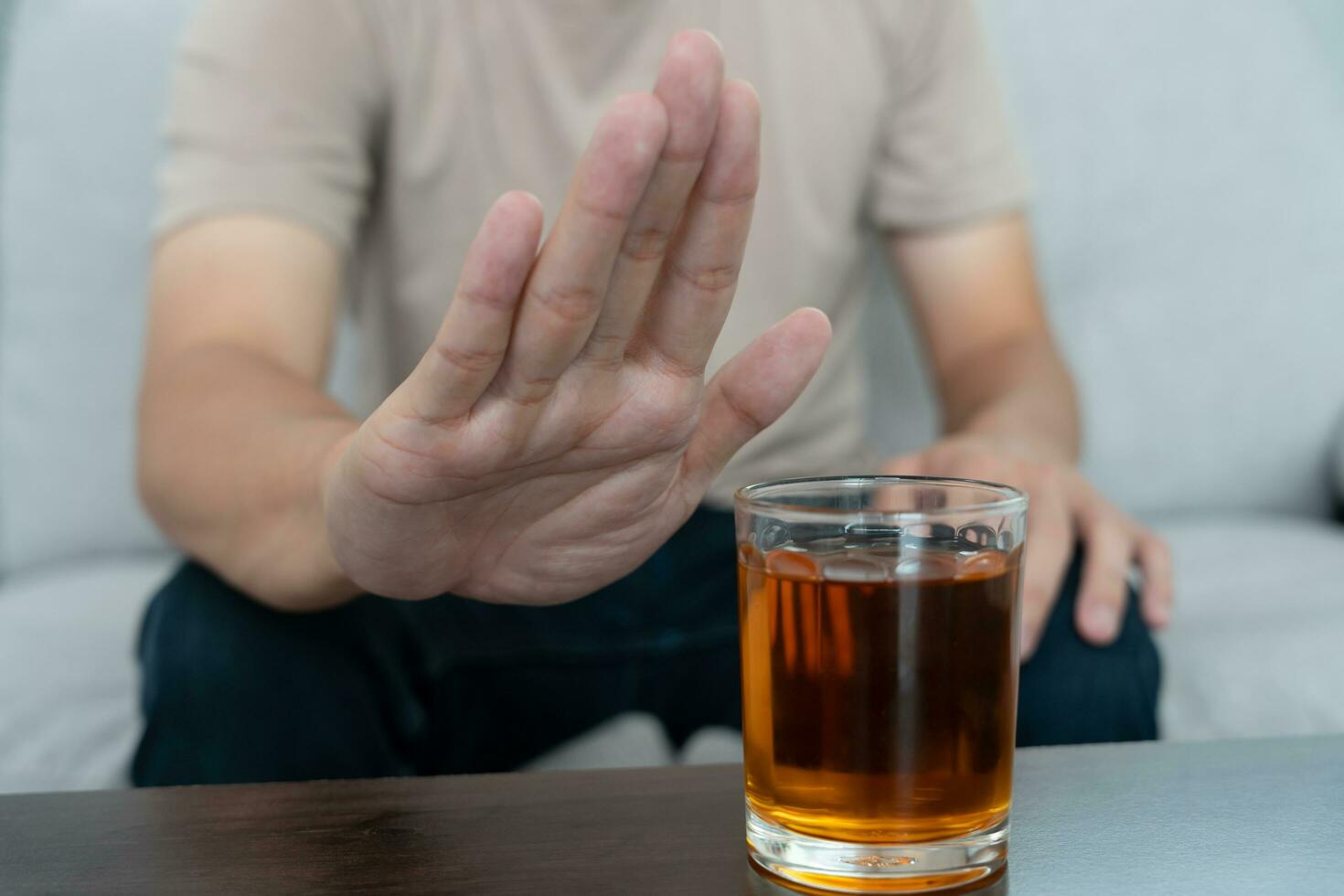
Alcohol intolerance triggers rapid and uncomfortable reactions shortly after drinking. Common signs include facial redness, nasal blockage, and stomach upset. The condition arises when the body cannot efficiently break down alcohol or reacts to substances in alcoholic drinks. Avoiding alcohol remains the only reliable way to prevent these symptoms.
What Are the Symptoms?
Symptoms can appear shortly after drinking and may vary in severity. Common signs include:
- Red, flushed face
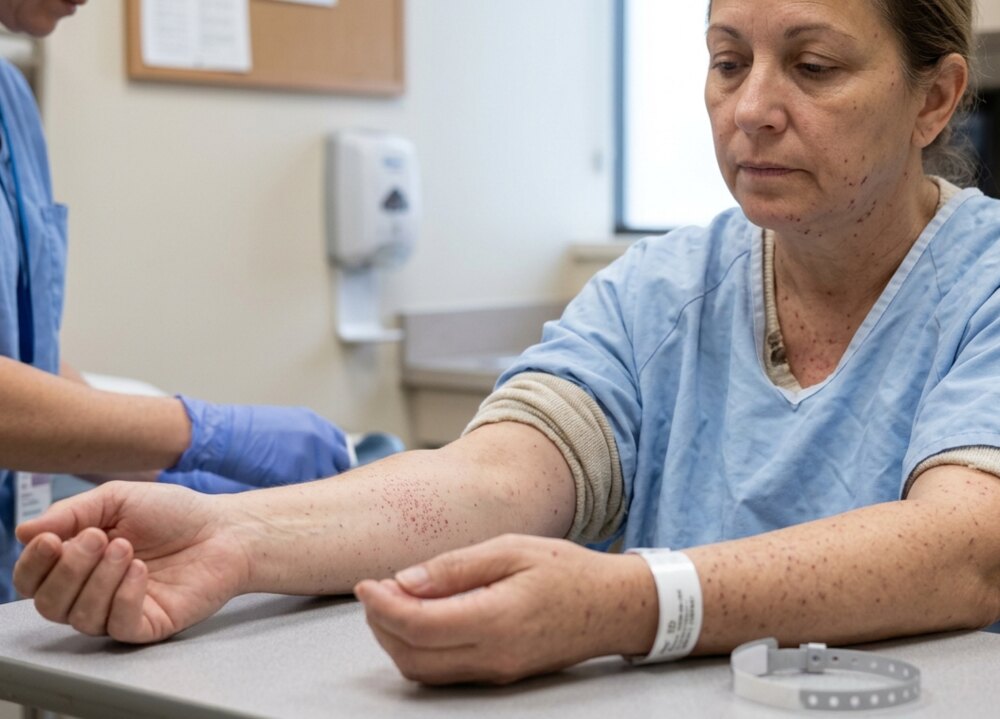
- Itchy, red skin bumps (hives)
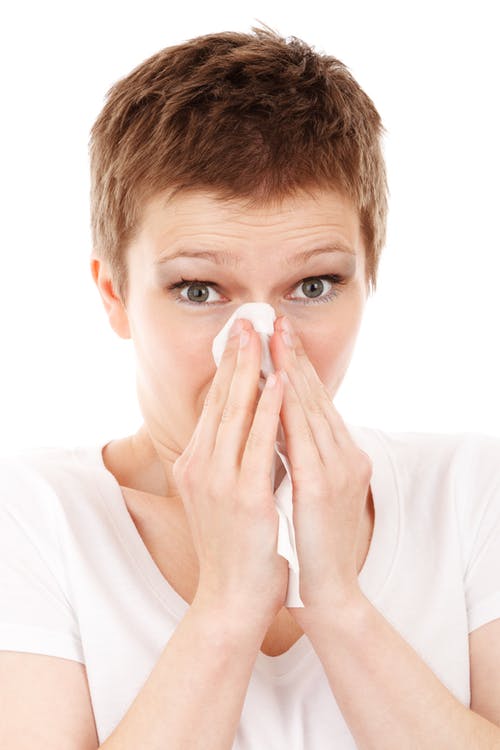
- Nasal congestion or a runny nose
- Worsening asthma symptoms
- Low blood pressure
- Nausea and vomiting
- Diarrhea
Why Does This Disease Occur?
- Alcohol intolerance develops when the body lacks the enzymes needed to break down alcohol
- This leads to a buildup of toxic byproducts in the bloodstream
- Reactions may also be triggered by other ingredients in alcoholic drinks, including sulfites, preservatives, grains, chemical additives, or histamine formed during fermentation
- Rarely, severe reactions may signal serious conditions like Hodgkin’s lymphoma
Who Is at Risk of This Disease?
Risk factors include:
- Asian ancestry
- Asthma or allergic rhinitis
- Food or grain allergies
- Hodgkin’s lymphoma
What Are the Possible Complications?
- Alcohol intolerance can cause additional health issues:
- Migraines triggered by histamines in alcoholic beverages
- Severe allergic reactions, including life-threatening anaphylaxis in rare cases
When Should You See a Doctor?
- Mild reactions may not require medical attention.
- See a doctor for severe pain, breathing difficulty, or if symptoms appear linked to medications or allergies.
- Emergency care is needed for anaphylaxis signs such as a weak pulse or vomiting.
How Is This Disease Diagnosed?
Doctors may diagnose alcohol intolerance using:
- Physical examination and symptom review
- Skin tests to detect allergies to grains or additives
- Blood tests to measure allergy-related antibodies, though results may not always be fully reliable
What Are the Treatment Options?
- Avoid alcohol or specific beverages causing reactions
- Mild symptoms may be treated with over-the-counter or prescription antihistamines
- Severe reactions require urgent medical care
How Can You Take Care at Home?
- Avoid beverages that trigger symptoms
- Check labels for sulfites, grains, or other additives
- Do not mix alcohol with medications without consulting a doctor
- Use antihistamines for minor reactions if advised
How Can This Disease Be Prevented?
- Avoid alcohol entirely or specific triggering beverages
- Be aware of ingredients in drinks, though labels may not list all components
- Complete avoidance is the only reliable preventive measure
Frequently Asked Questions (FAQs)
Q1. Is alcohol intolerance the same as an alcohol allergy?
No. Alcohol intolerance is a genetic or ingredient-related reaction, not a true allergy.
Q2. Can medications worsen alcohol intolerance?
Yes. Some medications can trigger or intensify alcohol reactions.
Q3. Can alcohol intolerance be cured?
No. It is usually lifelong and managed by avoiding alcohol and offending ingredients.
Q4. Do antihistamines treat alcohol intolerance?
Only for mild symptoms like itching or hives; they do not cure the condition.
Important Note: This information is for awareness purposes only. Please consult a healthcare professional for medical advice, diagnosis, or treatment.