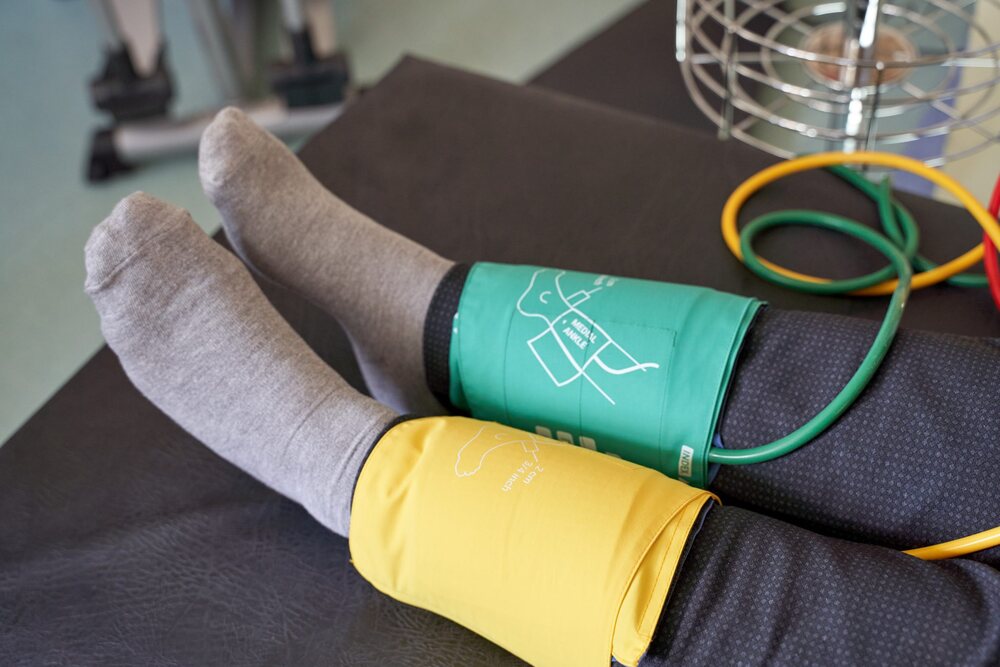
Numbness is a loss of sensation often accompanied by tingling, burning, or a “pins-and-needles” feeling. It occurs when nerves are damaged, irritated, or compressed. While frequently harmless, numbness can sometimes signal serious neurological conditions, requiring careful medical evaluation to distinguish it from physical weakness or life-threatening events.
What are the symptoms?
- Loss of feeling in a body part
- Burning or tingling sensations
- A “pins-and-needles” feeling
- Sensations along a single nerve or on both sides of the body
- Occasional association with pain or other unpleasant sensations
Why does this occur?
- Numbness is caused by damage, irritation, or pressure affecting one or several nerve branches
- Common triggers include physical issues like a slipped disk or carpal tunnel syndrome.
- It also results from nerve fiber damage caused by diabetes or toxins such as alcohol and chemotherapy
Who is at risk of this disease?
Those at risk include individuals with:
Chronic Diseases: Diabetes, multiple sclerosis, Sjogren’s syndrome, or Raynaud’s disease
Infections: Leprosy, Lyme disease, syphilis, or shingles
Toxin Exposure: Heavy metals, alcohol use disorder, chemotherapy, or HIV drugs
Physical Stress: Trauma, overuse injuries, or frostbite
Nutritional Issues: Vitamin B-12 deficiency
What are the possible complications?
While often harmless, numbness can be linked to serious conditions, including:
- Stroke or Transient Ischemic Attack (TIA).
- Brain or spinal cord tumors
- Brain aneurysms or AVMs
- Guillain-Barre syndrome
- Peripheral neuropathy or permanent nerve injuries
When should you see a doctor?
Seek emergency help if you experience numbness:
- Starts suddenly or follows a head injury
- Involves an entire arm or leg
- Occurs with weakness, paralysis, confusion, trouble talking, dizziness, or a sudden, bad headache
Schedule a visit if you experience numbness:
- Begins or worsens gradually
- Comes and goes or affects both sides of the body
- Relates to repetitive motions or affects only part of a limb, like fingers or toes
How is this disease diagnosed?
- Healthcare professionals collect detailed symptom information and may perform several tests
- If a head injury, brain tumor, or stroke is suspected, a CT scan or MRI is likely required to confirm the cause before treatment
What are the treatment options?
- Treatment cannot begin until the specific cause is confirmed through testing
- Options depend on the underlying trigger, such as addressing nerve pressure (e.g., carpal tunnel) or managing the effects of toxins and chronic diseases
Frequently Asked Questions (FAQs)
Q1. Is numbness the same as weakness?
No. Weakness is usually caused by other conditions, though the two are often mistaken for each other.
Q2. Can numbness indicate a life-threatening condition?
Yes. While most causes are harmless, numbness can be associated with life-threatening conditions like a stroke or brain tumor.
Important Note: This information is for awareness purposes only. Please consult a healthcare professional for medical advice, diagnosis, or treatment.