Allergies happen when the immune system overreacts to substances that are usually harmless. These substances, known as allergens, include pollen, food, medicines, insect venom, and pet dander. Reactions can affect the skin, nose, lungs, or digestive system. While most allergies cause mild discomfort, some can trigger a life-threatening emergency called anaphylaxis.
What are the symptoms?
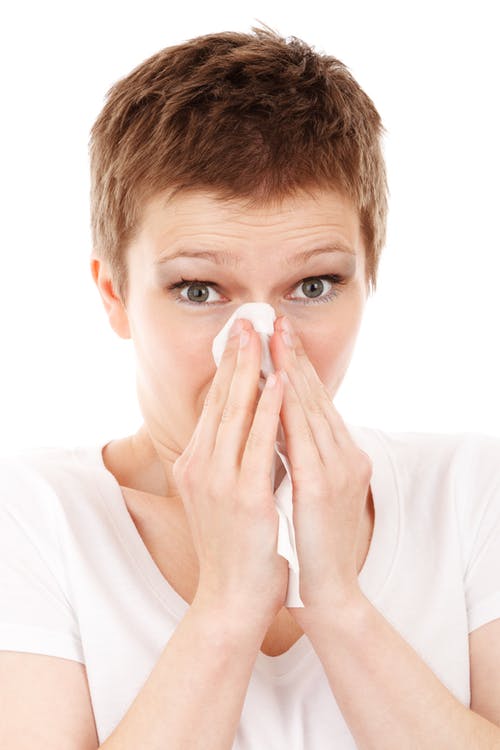
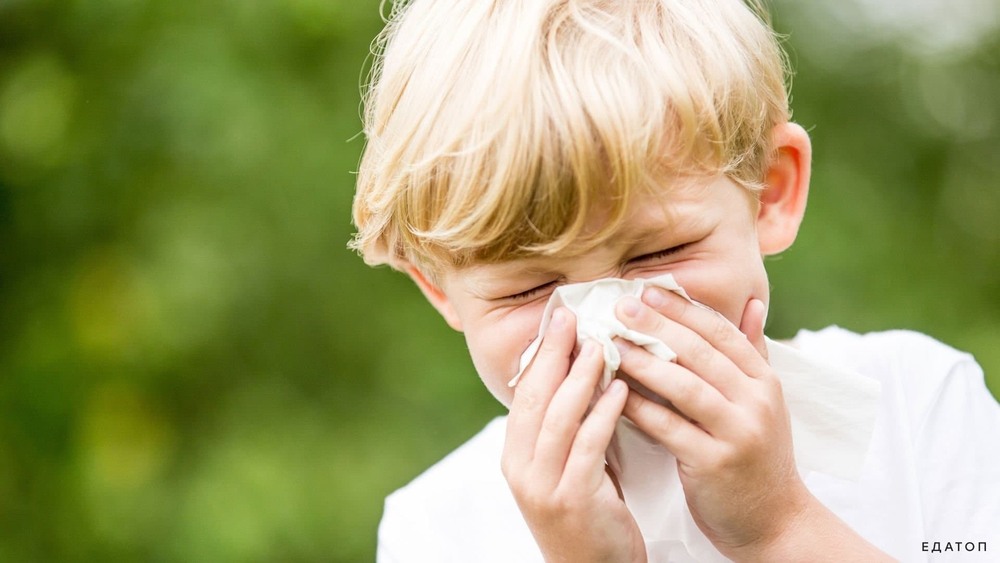
Hay Fever (Allergic Rhinitis) – Causes sneezing, itchy skin or eyes, runny or blocked nose, fatigue, and red, watery eyes (allergic conjunctivitis).
Food Allergies – Can trigger mouth tingling, swelling of lips, tongue, face, or throat, hives, nasal/eye symptoms, stomach cramps, vomiting, diarrhea, and potentially anaphylaxis.
Insect Sting Allergies – Lead to pain and swelling at the sting site, body-wide itching or hives, skin flushing, cough, chest tightness, wheezing, and risk of anaphylaxis.
Medicine Allergies – May cause hives, itchy skin, rash, facial swelling, wheezing, breathing difficulty, vomiting, diarrhea, dizziness, and anaphylaxis.
Atopic Dermatitis (Eczema) – Causes persistent itching, red or brown patches (harder to see on darker skin), and flaking, peeling, or cracked skin.
Anaphylaxis (Severe Reaction) – Life-threatening emergency triggered by foods, insect stings, or medicines. Symptoms include fainting, drop in blood pressure, severe breathing difficulty, hives, dizziness, rapid weak pulse, nausea, vomiting, diarrhea, and a sense of doom.
What Causes Allergies?
Allergies occur when the immune system mistakes a harmless substance for a dangerous invader. Antibodies released during re-exposure trigger chemicals that cause inflammation and allergic symptoms. Following are the common allergy triggers:
Airborne allergens: pollen, animal dander, dust mites, mold
Foods: peanuts, tree nuts, wheat, soy, fish, shellfish, eggs, milk
Insect stings: bees, wasps
Medicines: penicillin or penicillin-based antibiotics
Contact substances: latex or other materials causing skin reactions
Who Is at Risk of This Disease?
- Family history of asthma or allergies (hay fever, hives, eczema)
- Children (higher susceptibility)
- People with asthma or other allergic conditions
What Are the Possible Complications?
Anaphylaxis: Severe, life-threatening reaction to foods, medicines, latex, or insect stings.
Asthma: Allergies can trigger or worsen asthma symptoms.
Infections: Increased risk of sinus, ear, or lung infections, especially in people with hay fever or asthma.
When Should You See a Doctor?
- Symptoms do not improve with over-the-counter medicines.
- Symptoms appear after starting a new medicine.
- Signs of anaphylaxis occur — seek emergency help immediately, even if symptoms improve after using epinephrine.
How Allergies Are Diagnosed
- Review of medical history and detailed symptoms
- Physical examination to check for allergy signs
- Keeping a symptom and trigger diary
Food allergies: Track foods eaten and note suspected triggers.
Skin test: A small amount of allergen is applied to the skin to detect reactions.
Blood test: Measures IgE antibodies to identify allergen sensitivities.
Other tests: May be needed if symptoms suggest a cause other than allergies.
What Are the Treatment Options?
- Treatment focuses on controlling symptoms and preventing future reactions.
- Avoiding known triggers is the most important step.
- Medicines such as tablets, nasal sprays, and eye drops may help reduce symptoms.
- Some patients benefit from immunotherapy, including allergy shots or tablets placed under the tongue.
- People with severe allergies should always carry emergency epinephrine.
How Can You Take Care at Home?
Many symptoms can be reduced with simple home measures.
- Saltwater nasal rinses can help clear congestion.
- Washing bedding in hot water and using air filters can reduce exposure to dust and pet allergens.
- Lowering indoor moisture and fixing leaks can help control mold-related allergies.
How can Allergies be Prevented?
- Complete prevention is not always possible, but the risk of reactions can be reduced.
- Avoiding known triggers is the most effective method.
- Keeping a symptom diary can help identify causes.
- People who have had severe reactions should wear a medical alert bracelet and always keep emergency medicine with them.
What is Anaphylaxis?
- Some allergies can cause anaphylaxis, a condition that can lead to breathing failure, a dangerous drop in blood pressure, and loss of consciousness.
- Warning signs include throat tightness, severe shortness of breath, hives, dizziness, vomiting, and a rapid, weak pulse.
- This condition requires immediate epinephrine and urgent medical care.
Frequently Asked Questions (FAQs)
Q1. Can allergies be completely cured?
Most allergies cannot be cured, but they can be effectively controlled with proper treatment.
Q2. What is the most dangerous allergic reaction?
Anaphylaxis is the most serious and life-threatening allergic reaction.
Q3. Do allergies increase the risk of asthma?
Yes, allergies can trigger asthma or make asthma symptoms worse.
Q4. Should people with severe allergies carry medicine?
Yes, they should always carry an epinephrine auto-injector.
Important Note: This information is for awareness purposes only. Please consult a healthcare professional for medical advice, diagnosis, or treatment.