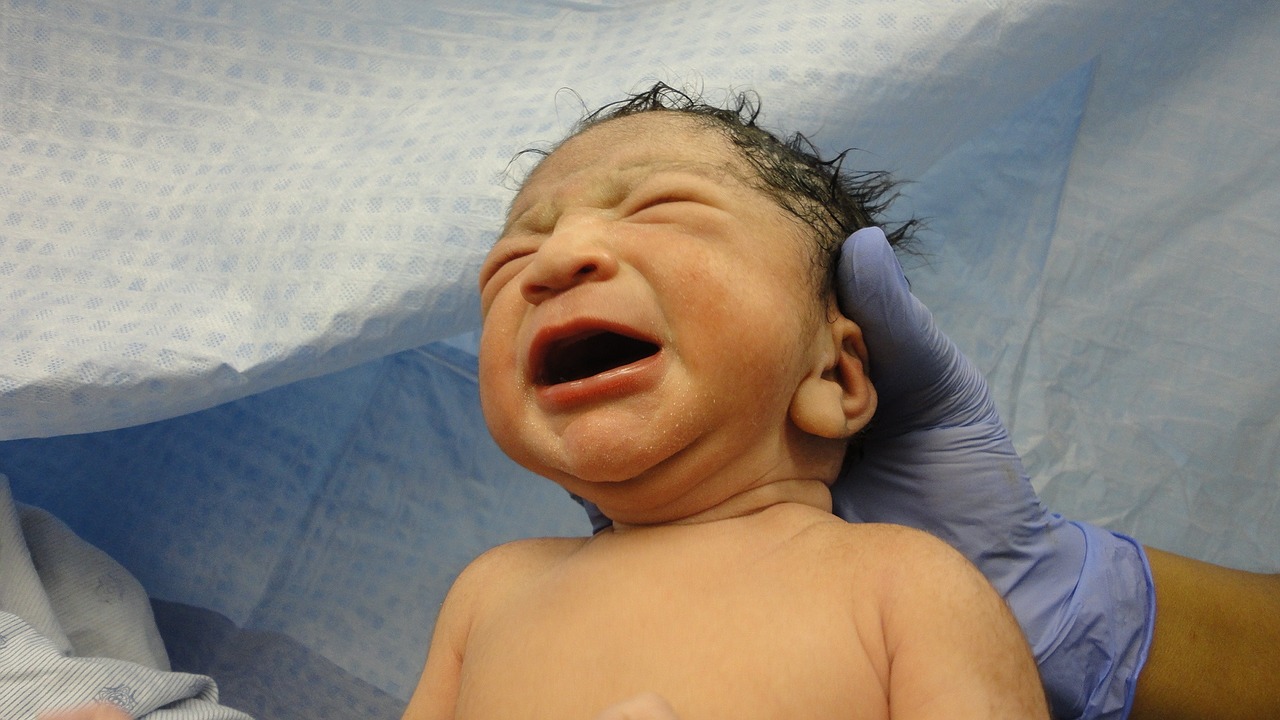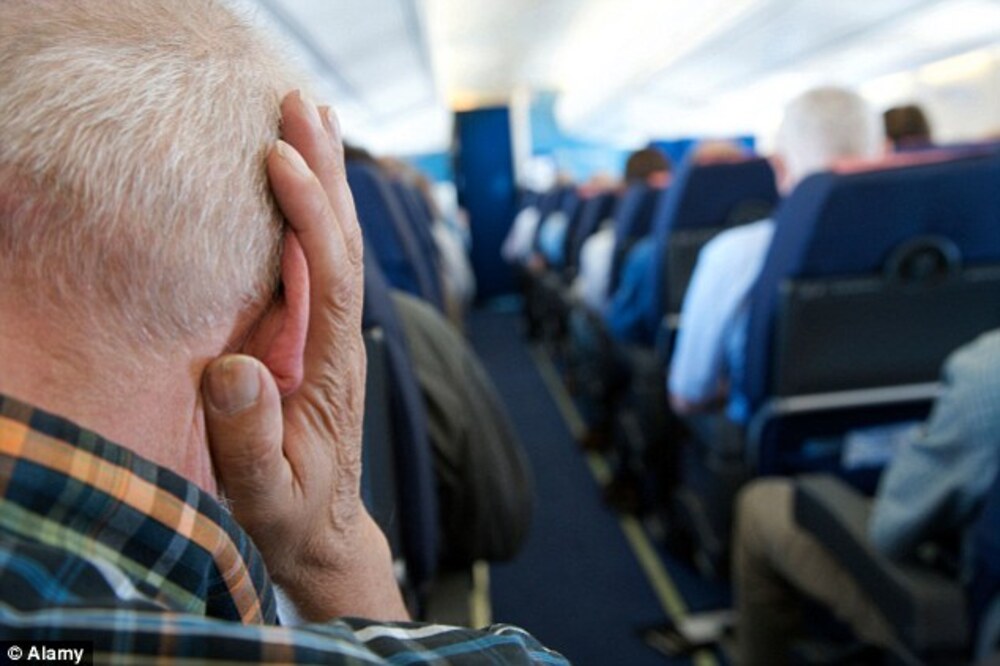
Airplane ear is a common travel-related ear problem caused by rapid changes in air pressure. It usually develops during flight takeoff or landing, when the middle ear cannot adjust quickly enough. This pressure imbalance strains the eardrum, leading to discomfort, hearing changes, or pain. Most cases are temporary, but severe symptoms may require medical care.
What Are the Symptoms?
- One or both ears may be affected
- Mild ear pain or discomfort
- Sensation of fullness or blockage
- Muffled or slightly reduced hearing
Severe Symptoms include:
- Sharp or intense ear pain
- Noticeable pressure in the ear
- Ringing or buzzing sounds (tinnitus)
- Dizziness or spinning sensations (vertigo)
- Rarely, bleeding from the ear
Why Does This Disease Occur?
Airplane ear happens when the middle ear pressure doesn’t match the outside air pressure. The eustachian tube usually balances this pressure, but rapid altitude changes, like takeoff or landing, can prevent it from opening. This blocks normal eardrum movement, causing pain or discomfort. Similar effects can occur during diving, hyperbaric therapy, explosions, or mountain travel.
Who Is at Risk of This Disease?
Anyone can develop airplane ear, but certain people are more vulnerable:
- Infants and toddlers, due to smaller eustachian tubes
- People with allergies or middle ear infections
- Individuals with colds, sinus infections, or nasal congestion
- People who sleep during takeoff or landing, as it prevents natural pressure-equalizing actions like swallowing or yawning
What Are the Possible Complications?
- Most cases of airplane ear heal on their own without lasting problems
- In rare cases, severe or prolonged episodes may lead to complications
- Potential complications include permanent hearing loss
- Chronic ringing in the ears (tinnitus) can develop
- The risk is greater if there is damage to the middle or inner ear
When Should You See a Doctor?
You should consult a doctor if ear pain, pressure, or muffled hearing lasts more than a few days. Immediate medical attention is needed if symptoms are severe, worsening, or accompanied by bleeding, intense pain, or significant hearing loss.
How Is This Disease Diagnosed?
Doctors usually diagnose airplane ear based on symptoms and medical history. A physical examination of the ear is performed using an otoscope to assess the eardrum and identify pressure-related changes.
What Are the Treatment Options?
- In most cases, airplane ear improves naturally with time
- If symptoms persist, treatment focuses on relieving pressure and pain
- Doctors may recommend nasal decongestant sprays or oral decongestants
- Pain relievers such as ibuprofen, naproxen, or acetaminophen may be used
- Surgical treatment is rarely needed
- In rare cases, a small incision in the eardrum, called myringotomy, may be performed to equalize pressure and drain fluid
How Can You Take Care at Home?
- Home care is often effective
- The Valsalva maneuver is commonly recommended. This involves closing the mouth, pinching the nose, and gently blowing to push air into the middle ear
- Swallowing, yawning, or chewing gum also helps open the eustachian tubes. These techniques should be done gently to avoid injury
How Can This Disease Be Prevented?
- Yawn and swallow during ascent and descent to equalize ear pressure
- Chew gum or suck on candy to encourage frequent swallowing
- Stay awake during takeoff and landing for timely pressure relief
- Avoid flying when experiencing a cold, sinus infection, nasal congestion, or ear infection
- Use nasal sprays before flights, but avoid overuse
- Take oral decongestants cautiously; avoid if you have heart disease, high blood pressure, heart rhythm problems, or are pregnant
- Take allergy medication before flying if needed
- Use filtered earplugs to help slow pressure changes, but continue swallowing and yawning
- For frequent or severe cases, doctors may insert ventilation tubes in the eardrums to maintain pressure balance
How Can Children Prevent Airplane Ear?
Babies and young children need extra care during flights.
- Encourage swallowing using bottles or pacifiers during ascent and descent
- Keep children seated upright while drinking
- Older children can chew gum, drink through a straw, or blow bubbles through a straw
- Decongestant medications are not recommended for young children
Frequently Asked Questions (FAQs)
Q1. Is airplane ear dangerous?
Airplane ear is usually harmless and temporary, resolving on its own in most cases.
Q2. Can airplane ear cause permanent hearing loss?
Permanent hearing damage is rare but may occur in severe or untreated cases.
Important Note: This information is for awareness purposes only. Please consult a healthcare professional for medical advice, diagnosis, or treatment.