
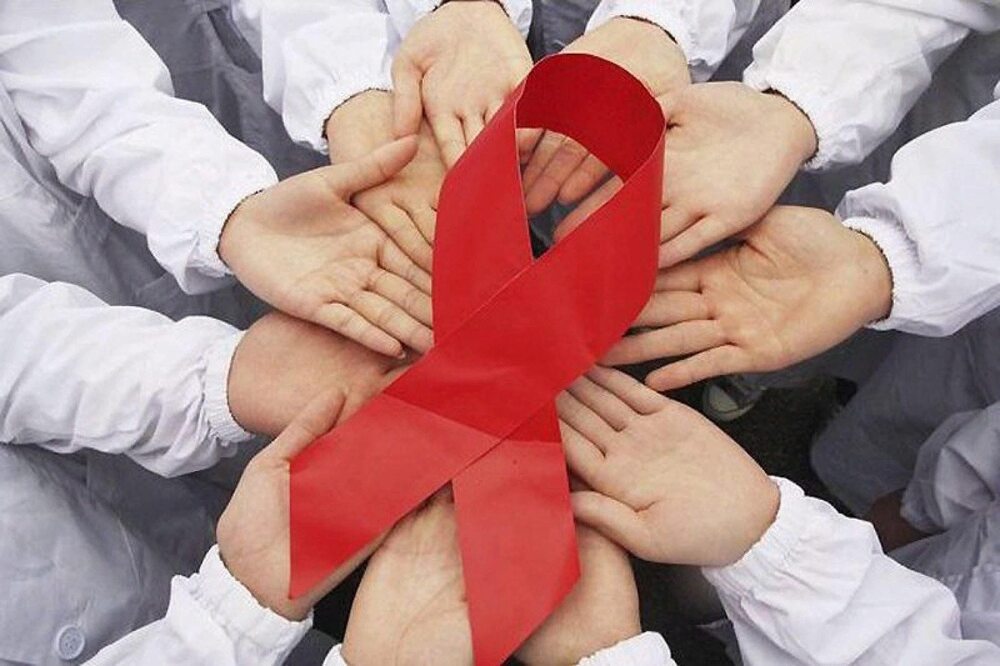
HIV is a virus that gradually weakens the immune system, while AIDS represents its most advanced stage. As the virus damages the body’s natural defenses, the risk of severe infections and certain cancers increases. Thanks to modern treatment, people with HIV can now live long, healthy, and productive lives.
What are the symptoms?
HIV symptoms appear in stages. Early infection often resembles the flu, with fever, headache, rash, sore throat, swollen glands, diarrhea, and night sweats. The chronic stage may remain silent for years.
As HIV progresses, symptoms such as persistent fever, fatigue, weight loss, oral thrush, shingles, and pneumonia may occur. AIDS causes severe infections, rapid weight loss, prolonged diarrhea, rashes, and mouth or skin lesions.
Why does this disease occur?
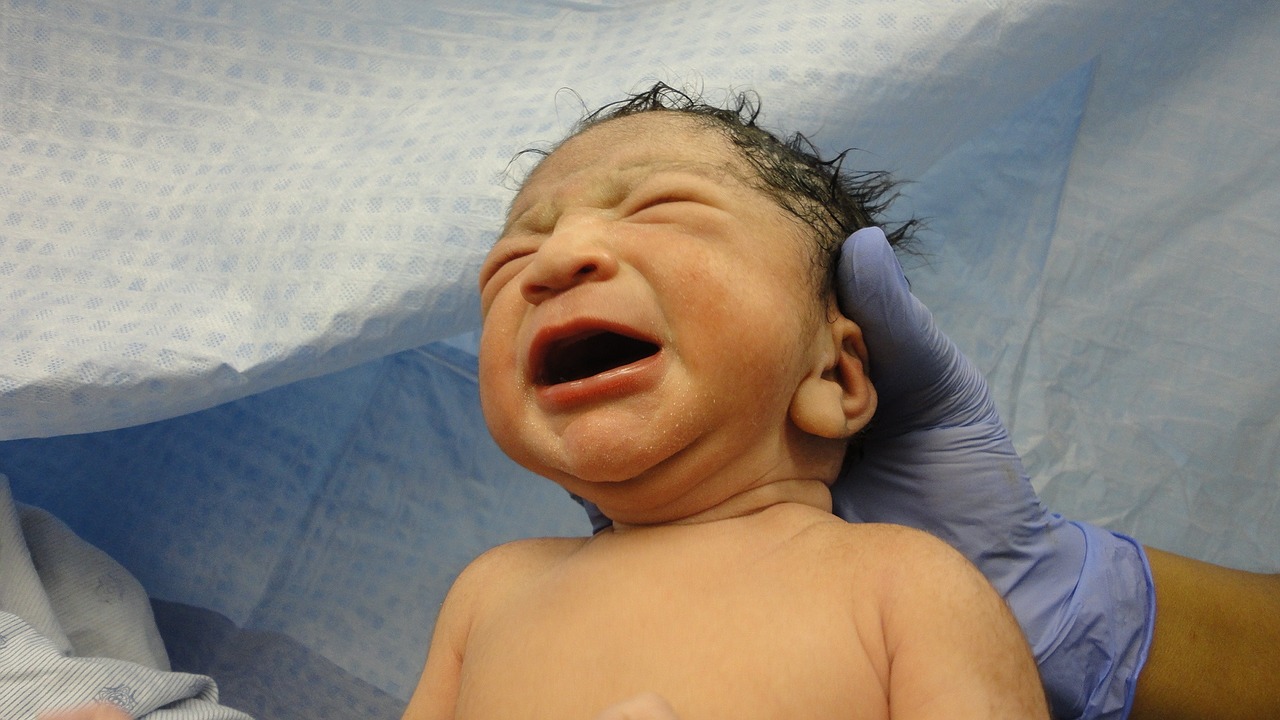
HIV spreads through infected blood, sexual fluids, or from an untreated mother to her baby during pregnancy, childbirth, or breastfeeding. The virus targets and destroys CD4 T cells, weakening immunity. AIDS develops when CD4 levels drop dangerously low or when serious infections and cancers begin to appear.
Who is at risk of this disease?
People who engage in unprotected sex, have multiple sexual partners, or have existing sexually transmitted infections face a higher risk.
Individuals who inject drugs and share needles are also vulnerable. Babies may be exposed if their mother didn’t get treatment during pregnancy. Anyone exposed to infected blood is potentially at risk.
How is this disease diagnosed?
HIV is detected through blood or saliva tests, including antigen-antibody tests, antibody tests, and nucleic acid tests (NAT).
After diagnosis, doctors monitor CD4 counts, viral load, and medication resistance. Additional tests may be conducted to check for tuberculosis, hepatitis, other sexually transmitted infections, and any potential damage to vital organs.
What are the possible complications?
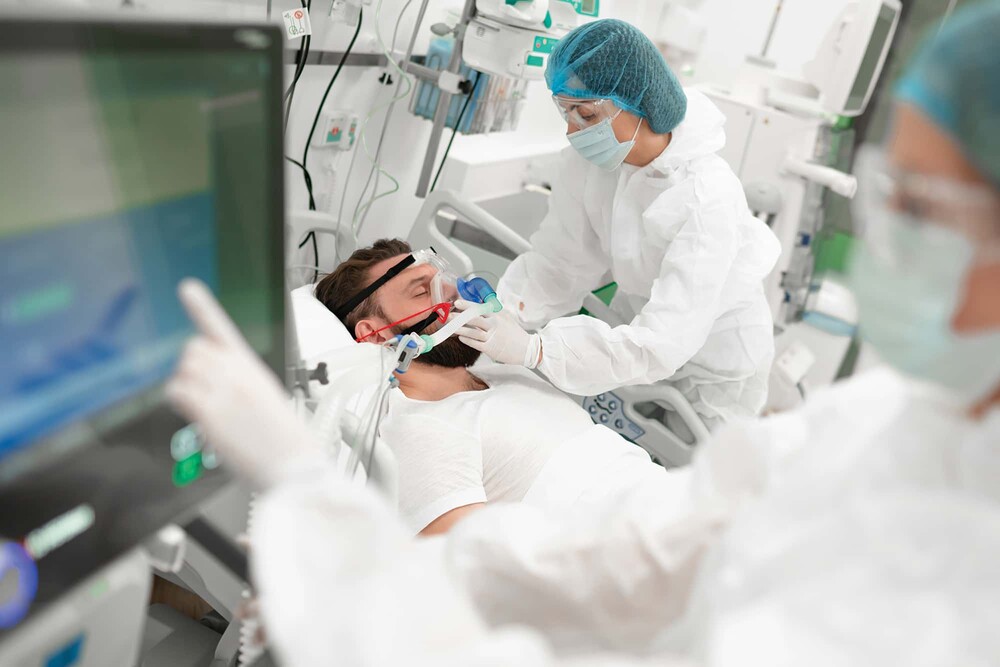
HIV can lead to a wide range of serious complications. These include life-threatening infections such as pneumonia, tuberculosis, fungal diseases, and brain infections. It also increases the risk of cancers like lymphoma, Kaposi sarcoma, and HPV-related tumors. Other complications include wasting syndrome, neurological disorders, kidney failure, and liver damage.
Wasting syndrome is a condition seen in advanced HIV or AIDS. It causes severe weight loss and muscle loss. People may feel weak and tired. Daily activities become difficult. The condition also increases the risk of infections and other health problems.
What is the treatment?
Although there is no cure for HIV, antiretroviral therapy (ART) effectively controls the virus. ART combines medicines from different drug classes to reduce viral load, protect immune function, and prevent transmission. When taken consistently, ART can reduce the virus to undetectable levels.
Undetectable levels mean the amount of HIV in the blood is so low that standard tests cannot detect it. At this level, the virus cannot be transmitted to others through sex. It also helps protect the immune system and prevents HIV-related complications.
Possible side effects include nausea, metabolic changes, and organ strain, though most are manageable.
How can you take care of yourself at home?
A healthy, balanced diet helps strengthen the immune system. Stay up to date with vaccinations and practice good hygiene.
Handle pets carefully to avoid infections that can be dangerous for those with weakened immune systems. Limit smoking and alcohol, as both can harm the immune system and interfere with HIV treatment.
Manage stress through meditation, yoga, or massage, since chronic stress can weaken the immune system. Always take medications exactly as prescribed to keep HIV under control.
How can this disease be prevented?
Use condoms during sexual activity and avoid sharing needles.
PrEP is a daily medicine for people at high risk of HIV. It helps prevent the virus from entering the body. PEP is a short-term medicine taken after possible exposure. It must start within 72 hours and must be taken for 28 days. Both reduce the risk of infection when used correctly.
Pregnant women should be tested early and begin treatment immediately. Maintaining an undetectable viral load completely prevents sexual transmission (U=U).
When should you see a doctor?
Seek medical care if you develop flu-like symptoms after possible exposure, notice persistent fever, swollen glands, unexplained weight loss, chronic diarrhea, or frequent infections. Immediate medical attention is crucial after high-risk exposure or needle injuries.
Frequently Asked Questions (FAQs)
Q1. Can HIV be cured?
No. While HIV cannot be cured, antiretroviral therapy can suppress the virus to undetectable levels.
Q2. Can someone with HIV live a normal life?
Yes. With regular treatment, people with HIV can live long, healthy, and fulfilling lives.
Q3. How long does it take for HIV symptoms to appear?
Early symptoms typically appear 2-4 weeks after exposure, though many people remain symptom-free for years.
Q4. Can HIV spread through kissing or sharing food?
No. HIV cannot be transmitted through saliva, casual touching, hugging, kissing, or sharing food or drinks. Transmission requires contact with infected blood, semen, vaginal fluids, or breast milk.
Q5. What does “undetectable = untransmittable (U=U)” mean?
If medication reduces HIV to undetectable levels, it cannot be transmitted through sexual contact.
Q6. Is HIV testing painful or complicated?
No. HIV tests are simple, fast, and use either blood samples or saliva swabs.
Q7. Can pregnant women with HIV give birth safely?
Yes. With timely treatment, the risk of transmitting HIV to the baby becomes extremely low.
Important Note: This information is for awareness only. Please consult a qualified healthcare professional for medical advice, diagnosis, or treatment.