
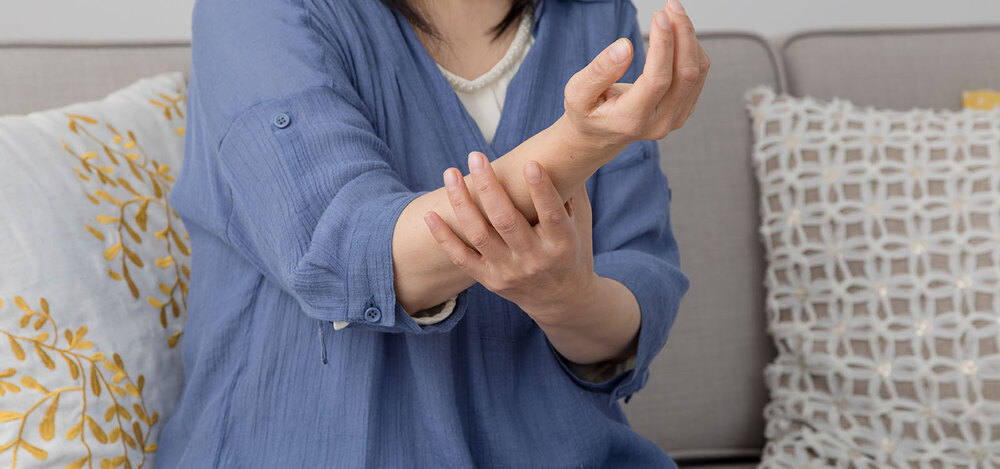
Guillain-Barre syndrome (GBS) is a rare condition in which the immune system attacks nerves. It causes weakness, tingling, or paralysis. Symptoms often start in the hands or feet and spread quickly. Early diagnosis and treatment are vital.
What are the symptoms?
- Pins-and-needles sensations in fingers, toes, wrists, or ankles
- Leg weakness that spreads upward
- Difficulty walking, balancing, or climbing stairs
- Problems with facial movements such as speaking, chewing, or swallowing
- Double vision or limited eye mobility
- Severe, achy, shooting, or cramp-like pain, often worse at night
- Bladder or bowel control issues
- Fast heartbeat
- Blood pressure fluctuations
- Breathing difficulties
For most people, weakness peaks within roughly two weeks after symptoms first appear.
What are the main types of disease?
Acute Inflammatory Demyelinating Polyradiculoneuropathy (AIDP): The most common type in North America and Europe. Weakness usually begins in the legs and spreads upward.
Miller Fisher Syndrome (MFS): Paralysis starts in the eyes and may cause unsteady walking.
Acute Motor Axonal Neuropathy (AMAN): It primarily affects motor nerves. More frequent in China, Japan, and Mexico.
Acute Motor-Sensory Axonal Neuropathy (AMSAN): It affects both motor and sensory nerves. More frequent in China, Japan, and Mexico.
Why does this disease occur?
Normally, the immune system attacks only harmful organisms. But in GBS, it targets the nerves instead.
- In AIDP, the myelin sheath, the protective covering of nerves is damaged.
- This damage blocks nerve signals, leading to weakness, numbness, or paralysis.
Common triggers of Guillain-Barre syndrome include:
- COVID-19 virus
- Influenza virus
- Zika virus
- Cytomegalovirus
- Epstein-Barr virus
- Hepatitis A, B, C, and E
- HIV
- Campylobacter bacteria, often found in undercooked poultry
- Mycoplasma pneumonia
- Surgery
- Trauma
- Hodgkin lymphoma
- Rarely, influenza or childhood vaccinations
Who is at risk of this disease?
- Older adults and men are more likely to get GBS
- People who had a recent infection, surgery, or vaccination
- Children are rarely affected, and usually recover fully
How is this disease diagnosed?
- Doctors take a medical history and perform a physical exam
- Spinal tap (lumbar puncture) tests the fluid around the spine
- Electromyography (EMG) measures muscle response
- Nerve conduction tests check how fast nerves send signals
What are the possible complications?
- Breathing problems may need a ventilator
- Heart rhythm or blood pressure issues
- Persistent weakness or numbness
- Severe nerve pain
- Bowel or bladder problems
- Blood clots and bedsores
- Rare relapses; very rarely, death
What is the treatment?
- Plasma exchange (plasmapheresis) removes harmful antibodies
- Immunoglobulin therapy blocks damaging antibodies
- Pain management and blood clot prevention
- Physical therapy and support with wheelchairs or braces
How can you take care at home?
- Follow doctor’s instructions for medication and therapy
- Do gentle exercises to keep muscles flexible
- Use adaptive devices if needed
- Maintain proper nutrition and rest
- Report new symptoms immediately
How can this disease be prevented?
- Avoid infections through hygiene and vaccinations
- Do not eat undercooked poultry to prevent bacteria
- Treat infections promptly to reduce immune triggers
When should you see a doctor?
Seek medical help immediately if:
- Weakness or tingling spreads fast
- Breathing or facial movements are affected
- Difficulty in swallowing or choking occurs
Early treatment improves recovery and reduces complications.
What does recovery look like?
- Recovery often begins two to four weeks after symptoms stop worsening.
- Most people regain strength gradually, starting from the upper body downward.
- Some recover completely, while others may have lingering numbness or weakness.
- Fatigue can continue for months.
- A small percentage may experience long-term disability.
- Relapse is rare but possible.
- Physical therapy helps restore movement and prevent muscle stiffness.
Frequently Asked Questions (FAQs):
Q1. Can Guillain-Barre syndrome be cured?
No, but treatment eases symptoms. Most people recover fully.
Q2. How long does recovery take?
Recovery usually takes 6–12 months. Some may take up to three years. Children recover faster.
Important Note: This information is for awareness only. Please consult a healthcare professional for medical advice, diagnosis, or treatment.