
Ectopic pregnancy occurs when a fertilized egg implants outside the uterus, most often in a fallopian tube. The pregnancy cannot develop normally in this location. Without timely treatment, it may cause life-threatening internal bleeding. Early diagnosis is essential to protect a woman’s health and future fertility.
What Are the Symptoms?
- Missed period, breast tenderness, nausea
- Light vaginal bleeding
- Pelvic or lower abdominal pain
- Shoulder pain or urge for bowel movement (from internal bleeding)
- Severe cases: extreme lightheadedness, fainting, shock
Why Does This Disease Occur?
- A fertilized egg gets stuck on its way to the uterus
- Damage or malformation of the fallopian tubes
- Hormonal imbalances or abnormal egg development
Who Is at Risk of This Disease?
- Women with a previous ectopic pregnancy
- History of sexually transmitted infections (STIs) like gonorrhea or chlamydia
- Women undergoing fertility treatments such as IVF
- Those with tubal ligation or prior reproductive complications
- Pregnancy with an IUD or after tubal ligation
- Women who smoke before conception
What Are the Possible Complications?
- Rupture of the fallopian tube
- Life-threatening internal bleeding
- Risk to future fertility if untreated
When Should You See a Doctor?
Seek immediate medical attention if you experience:
- Severe abdominal or pelvic pain with vaginal bleeding
- Extreme dizziness or fainting
- Shoulder pain
How Is This Disease Diagnosed?
- A pelvic exam identifies pain, tenderness, or mass
- HCG blood tests confirm pregnancy and track hormone levels
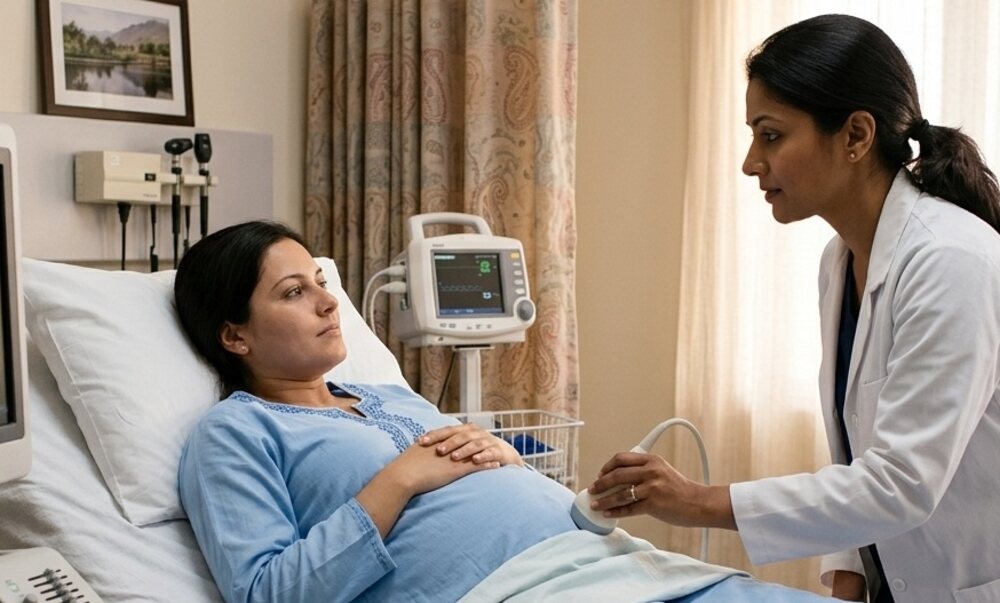
- A transvaginal or abdominal ultrasound locates the pregnancy
- Additional blood tests check for anemia or blood type for transfusion
What Are the Treatment Options?
Medication stops cell growth and dissolves ectopic tissue
Salpingostomy removes an ectopic pregnancy, leaving the tube to heal
Salpingectomy removes both the pregnancy and the affected tube
Emergency surgery is required for heavy internal bleeding. It may involve laparotomy
How Can You Take Care at Home?
- Follow the doctor’s instructions carefully
- Watch for unusual pain, bleeding, or dizziness
- Avoid strenuous activity until cleared by a doctor
- Attend all follow-up appointments
How Can This Disease Be Prevented?
- Limit sexual partners and use condoms to prevent STIs
- Quit smoking before trying to conceive
- Treat reproductive infections promptly
Frequently Asked Questions (FAQs)
Q1. Can an ectopic pregnancy occur more than once?
Yes. Women with a previous ectopic pregnancy have a higher risk of recurrence.
Q2. Can I get pregnant after an ectopic pregnancy?
Yes. Fertility is often possible, especially if one fallopian tube remains healthy.
Important Note: This information is for awareness purposes only. Please consult a healthcare professional for medical advice, diagnosis, or treatment.