

Adjustment disorders occur when life stress triggers unusually strong emotional and behavioral responses. They affect mood, thinking, and daily functioning. Work, school, and relationships may become challenging. Early support and treatment can restore balance, improve coping, and enhance overall well-being.
What Are the Symptoms?
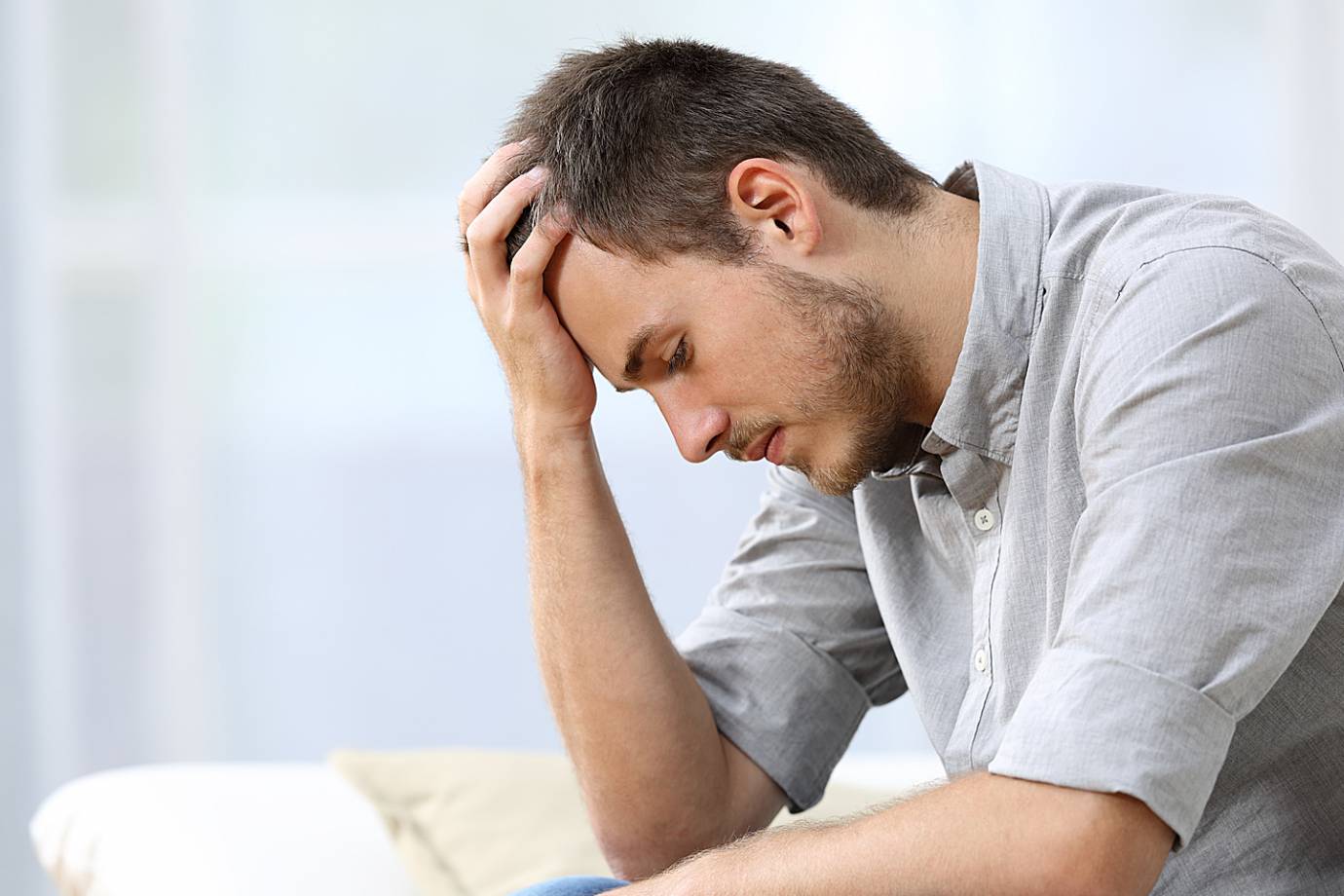
- Persistent sadness or a sense of hopelessness
- Frequent episodes of crying
- Anxiety, nervousness, or constant tension
- Irritability or feeling unable to cope
- Sleep disturbances or loss of appetite
- Difficulty in concentrating or staying focused
- Feeling trouble in managing everyday tasks
- Withdrawal from family, friends, or social support
- Neglecting responsibilities such as work or paying bills
- Thoughts of self-harm or acting on such thoughts
Symptoms usually appear within three months of a stressful event. They typically last up to six months, but ongoing stress may extend them.
What Are the Types of Disorder?
- Depressed mood
- Anxiety
- Mixed anxiety and depressed mood
- Disturbed conduct
- Disturbed emotions and conduct
Why Does This Disease Occur?
- Major life changes, such as job loss or relationship breakdowns
- Sudden or ongoing stressful events that overwhelm coping ability
- Genetic factors that may increase sensitivity to stress
- Personal temperament, including difficulty adapting to change
- Past life experiences that shape stress response and resilience
Who Is at Risk of This Disease?
- Individuals exposed to childhood stress, bullying, or school difficulties
- People facing divorce, marital conflicts, or relationship problems
- Those undergoing major life changes, like moving, retirement, or childbirth
- Individuals experiencing trauma, job loss, death of a loved one, or financial hardship
- People with chronic illnesses or living in unsafe environments
- Those with pre-existing mental health conditions, such as depression, anxiety, or PTSD
How Is This Disease Diagnosed?
A mental health professional evaluates:
- Major life stressors
- Emotional and behavioral symptoms
- Impact on work, school, and relationships
Diagnosis requires:
- Symptoms within three months of a stressful event
- Stress response is stronger than usual and disruptive
- Symptoms not caused by another mental health disorder or normal grief
What Are the Possible Complications?
Untreated adjustment disorders can lead to:
- Severe anxiety or depression
- Substance or alcohol misuse
- Difficulties at work, school, or in relationships
- Persistent emotional distress
What Are the Treatment Options?
- Talk Therapy (Psychotherapy):
- Individual, group, or family sessions
- Providing emotional support
- Restoring daily routines
- Teaching stress management and coping skills
Medications
- Antidepressants or anti-anxiety drugs may be prescribed
- Usually, they are for a short period
- Never stop without professional guidance
How Can You Take Care at Home?
- Stay connected with supportive friends and family
- Engage in enjoyable and meaningful activities
- Maintain healthy sleep, diet, and exercise
- Practice mindfulness, journaling, prayer, or yoga
- Avoid alcohol, drugs, or addictive substances
- Face challenges and plan solutions proactively
How Can This Disease Be Prevented?
- Build strong social support networks
- Strengthen coping strategies and resilience
- Prepare for expected stressful events
- Seek professional guidance for major life changes
When Should You See a Doctor?
Consult a healthcare professional if:
- Symptoms persist beyond a few months
- Daily life, work, or school is affected
- Suicidal thoughts or behaviors occur
Frequently Asked Questions (FAQs)
Q1. Can adjustment disorders improve without treatment?
Mild cases can get better once the stressful situation eases, but seeking professional help can accelerate recovery.
Q2. Do children experience adjustment disorders differently?
Yes. Children may show behavioral problems, school avoidance, or separation anxiety.
Important Note: This information is for awareness purposes only. Please consult a healthcare professional for medical advice, diagnosis, or treatment.