
Acute respiratory distress syndrome (ARDS) is a dangerous condition in which the lungs become severely inflamed. This inflammation allows fluid to leak into the tiny air sacs, known as alveoli. When these sacs fill with fluid, they cannot hold enough air. As a result, oxygen levels in the blood drop, and the body’s organs do not receive the oxygen they need to work properly.
What Are the Symptoms?
ARDS symptoms can vary depending on the underlying cause and whether a person has an existing heart or lung condition. Common signs include severe breathlessness, unusually fast and strained breathing, persistent coughing, chest pressure, rapid heartbeat, confusion, and overwhelming fatigue.
Why Does This Disease Occur?
- The most frequent trigger of ARDS is sepsis, a life-threatening bloodstream infection
- Severe pneumonia that damages several parts of the lungs can lead to ARDS
- People with critical COVID-19 may develop ARDS
- Serious trauma, such as injuries to the head, chest, or other major body areas
- Breathing in harmful substances like smoke, chemical fumes, vomit, or water from near-drowning incidents
- Certain medical conditions and treatments, including severe burns, pancreatitis, or large blood transfusions
Who Is at Risk of This Disease?
- Patients already hospitalized with serious or critical illnesses are at the highest risk
- Sepsis, severe pneumonia, and COVID-19 increase the likelihood of developing ARDS
- Individuals with metabolic syndrome are more vulnerable to ARDS
- A history of smoking, alcohol use, or recreational drug use raises the risk
What Are the Possible Complications?
ARDS can lead to several serious complications, especially during hospital care:
Blood clots: Immobility increases the risk of clot formation in the legs, which may travel to the lungs
Collapsed lung: High pressure from a ventilator can cause air to leak and collapse a lung
Infections: Breathing tubes provide an easy pathway for germs to enter the lungs
Pulmonary fibrosis: Lung tissue can become thickened and scarred within weeks, making breathing more difficult
Stress ulcers: Illness-related increases in stomach acid can create painful ulcers
Long-term effects may include ongoing breathing difficulties, depression, memory issues, reduced concentration, persistent tiredness, and muscle weakness.
How Is This Disease Diagnosed?
There is no single test for ARDS. Healthcare professionals diagnose it through physical examination, chest X-rays, CT scans, and blood tests that measure oxygen levels. Additional tests may be used to rule out heart problems, including ECGs and echocardiograms.
Chest X-ray: Shows which parts of the lungs contain fluid and whether the heart is enlarged
CT scan: Combines X-ray images from multiple angles to create detailed cross-sectional views of the lungs and heart.
Arterial blood test: Measures oxygen levels in the blood.
Other blood tests: Detect signs of infection or other medical conditions
Airway secretion tests: Used if a lung infection is suspected to identify the cause
Electrocardiogram (ECG): A painless test that records the heart’s electrical activity using sensors attached to the body
Echocardiogram: Uses sound waves to create images of the heart, showing blood flow through chambers and valves, and detecting structural changes
What Is the Treatment?
The main goal is to raise blood oxygen levels to protect vital organs.
Oxygen Support
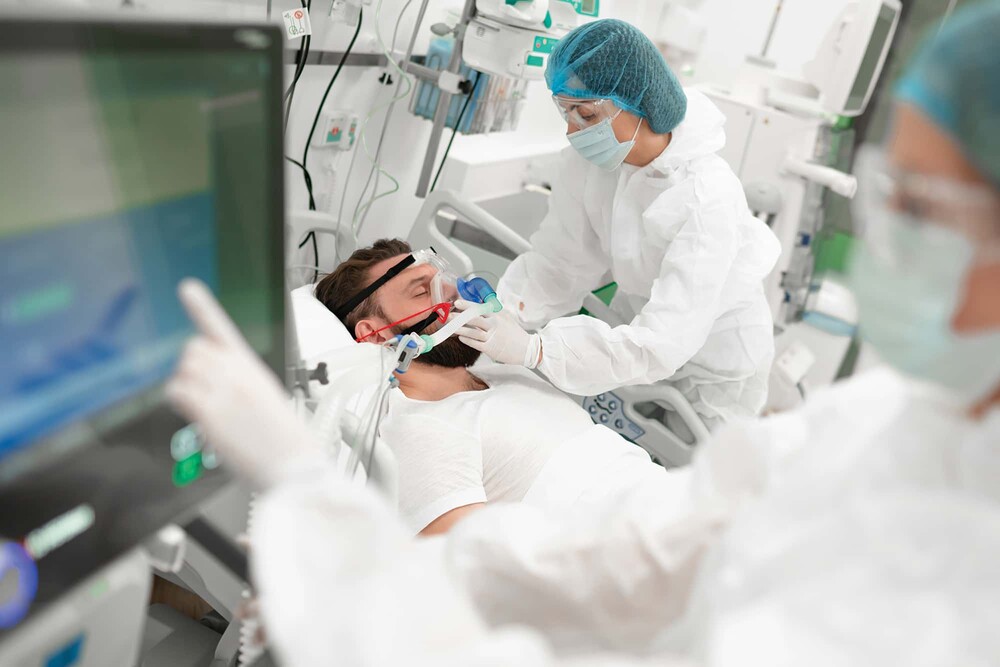
Supplemental oxygen: A tight-fitting mask may be used for milder cases or early treatment.
Mechanical ventilation: Most patients require a ventilator to push air into the lungs and remove excess fluid from the air sacs.
ECMO
In severe cases where ventilation is not enough, ECMO (Extracorporeal Membrane Oxygenation) temporarily takes over the work of the lungs – and sometimes the heart – to allow the lungs to heal. Because it carries risks, the decision to use ECMO requires careful discussion.
Prone Positioning
- Lying face down during ventilation can help improve oxygen flow throughout the lungs.
- Fluid Management
- IV fluids must be balanced carefully. Too much fluid worsens lung swelling, while too little can lead to organ failure or shock.
Medications
Patients may receive medicines to:
- Fight infections
- Reduce pain
- Prevent blood clots
- Lower stomach acid
- Ease anxiety or promote calmness
- Lung Transplant
- In rare cases, when all other treatments fail, a lung transplant may be considered for patients who were previously healthy.
How Can You Take Care at Home?
- Quit smoking and avoid exposure to secondhand smoke
- Keep flu and pneumonia vaccinations up to date
- Participate in pulmonary rehabilitation programs that provide exercise, guidance, and education to help restore lung function
How Can This Disease Be Prevented?
Reducing the risk of infections, avoiding harmful substances, managing chronic medical conditions, and following healthy lifestyle practices can lower the chances of developing ARDS. Early treatment of respiratory illnesses also helps prevent severe lung injury.
When Should You See a Doctor?
Most people who develop ARDS are already hospitalized for another serious condition. However, anyone who experiences sudden, severe breathing difficulty outside a medical facility should call emergency services or go to the nearest hospital immediately.
Frequently Asked Questions (FAQs)
Q1. Can people recover fully from ARDS?
Some individuals regain normal lung function within months or years, while others may have lasting breathing challenges.
Q2. Does ARDS always require a ventilator?
Most cases require mechanical ventilation, but mild cases may be stabilized with supplemental oxygen alone.
Important Note: This information is for awareness only. Please consult a qualified healthcare professional for medical advice, diagnosis, or treatment