

Acute liver failure is a sudden and serious condition. The liver stops working in days or weeks. It often happens in people with no previous liver problems. Viruses, medicines, or toxins are common causes. Early treatment can help, but severe cases may need a liver transplant.
What are the symptoms?
- Yellow skin and eyes (jaundice)
- Pain in the upper right abdomen
- Swollen belly (ascites)
- Nausea and vomiting
- Feeling weak or unwell
- Confusion or disorientation
- Sleepiness or drowsiness
- Breath with a sweet or unusual smell
- Shaking or tremors
Why does this disease occur?
Acute liver failure happens when liver cells are badly damaged. Common causes include:
- Acetaminophen (paracetamol) overdose
- Viruses like hepatitis A, B, E, Epstein-Barr, cytomegalovirus, herpes simplex
- Prescription medicines like antibiotics, anti-inflammatories, anticonvulsants
- Herbal supplements like kava, ephedra, skullcap, pennyroyal
- Toxins like poisonous mushrooms, carbon tetrachloride
- Autoimmune liver disease
- Blood vessel problems, for example Budd-Chiari syndrome
- Metabolic disorders, e.g. Wilson’s disease, fatty liver in pregnancy
- Primary or secondary liver cancer
- Severe infections or shock
- Heat stroke or extreme exercise in hot environments
Who is at risk?
- Women are more commonly affected
- People with viral hepatitis, autoimmune diseases, metabolic disorders, or cancer
- Individuals with pre-existing liver conditions
When to see a doctor?
Consult the doctor if you feel the following symptoms:
- Yellowing of skin or eyes appears suddenly
- Pain in the upper right abdomen
- Confusion or sudden personality changes
- Rapid worsening of symptoms
What are the possible complications?
- Cerebral edema: fluid in the brain causing confusion or seizures
- Bleeding problems: lack of clotting factors may lead to uncontrolled bleeding
- Infections: higher risk, especially in blood, lungs, or urinary tract
- Kidney failure: often occurs, especially with acetaminophen toxicity
How is it diagnosed?
Blood tests: check liver function and clotting
Prothrombin time test: measures blood clotting speed
Imaging: ultrasound, CT scan, MRI to examine liver and blood vessels
Liver biopsy: tissue test to find the cause; transjugular biopsy is safer for high-risk patients
What are the treatment options?
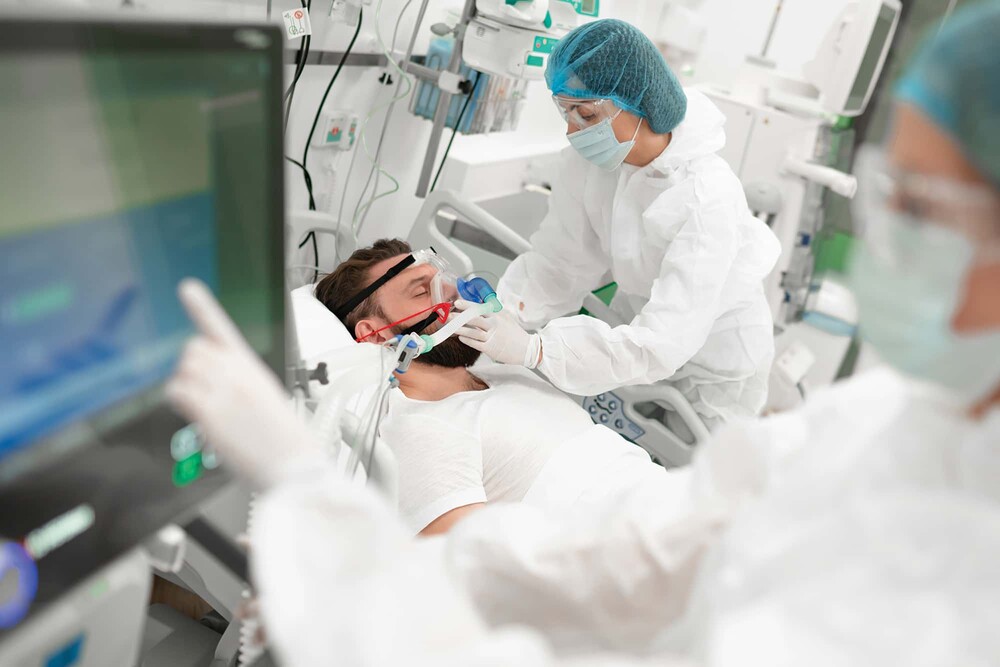
Hospitalization in an ICU: Preferably in a liver transplant center
Antidotes for poisoning: N-acetylcysteine for acetaminophen overdose; other antidotes for toxins
Liver transplant: required if liver cannot recover
Supportive care
Supportive care may include:
- Reducing brain swelling
- Treating infections promptly
- Controlling bleeding
- Ensuring proper nutrition
Future treatments
Scientists are exploring new treatments for acute liver failure. These aim to reduce or delay the need for a liver transplant. Most are still experimental and not widely available.
Artificial liver devices: machines to support liver temporarily
Hepatocyte transplant: partial liver cell transplant to delay full transplant
Auxiliary liver transplant: partial liver replacement allowing natural regeneration
Xenotransplantation: experimental use of animal livers
What are the home care tips?
- Take medications exactly as prescribed
- Avoid alcohol, harmful drugs, and liver-toxic supplements
- Stay hydrated and eat light, balanced meals
- See a doctor immediately if symptoms worsen
How to prevent this disease?
- Use medicines carefully and follow instructions
- Inform your doctor about all medications and supplements
- Limit or avoid alcohol
- Avoid risky behaviors like sharing needles or unsafe sex
- Get vaccinated for Hepatitis A and B
- Avoid contact with others’ blood or body fluids
- Do not eat wild mushrooms
- Wear protective gear when handling chemicals
- Maintain a healthy weight to reduce liver disease risk
Frequently Asked Questions (FAQs)
Q1: Can acute liver failure be fully reversed?
Yes, if detected early and treated promptly, many patients recover fully.
Q2: Is a liver transplant always needed?
Not always. Some patients recover without a transplant. Severe, irreversible damage requires one.
Important Note: This information is for awareness only. Consult a healthcare professional for advice, diagnosis, or treatment.