

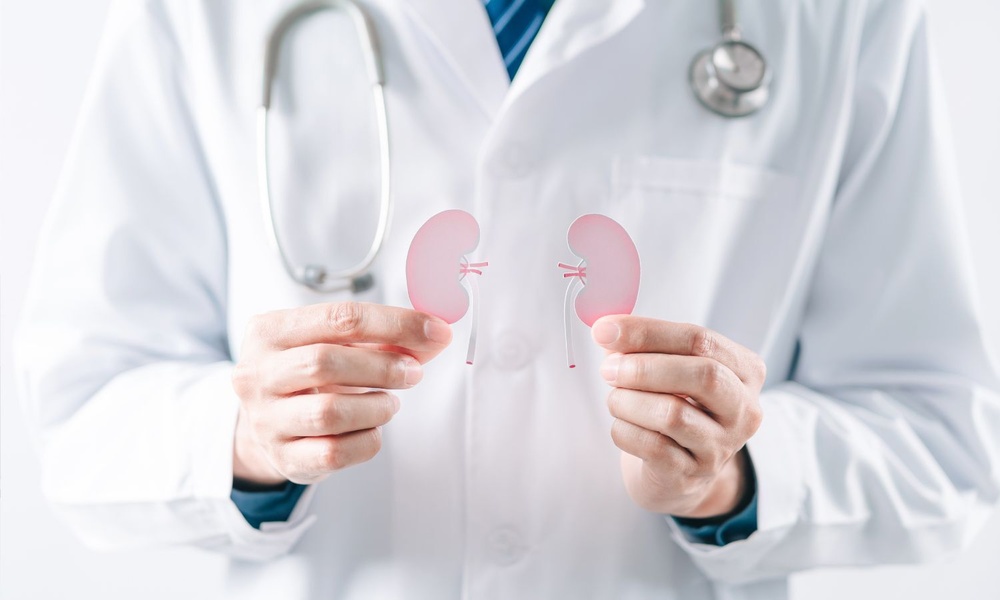
Acute kidney injury (AKI) is a sudden decline in kidney function that prevents the body from clearing waste. It can be mild or severe, often affecting hospitalized patients. Common symptoms include low urine output, swelling, and confusion. Without prompt treatment, AKI can be life-threatening, but early care usually restores kidney function. The disease is also called acute kidney failure.
What are the symptoms?
- Reduced urine output
- Swelling in legs, ankles, or feet
- Shortness of breath
- Fatigue or weakness
- Confusion or mental fog
- Nausea or loss of appetite
- Pain in the abdomen or sides
- Irregular heartbeat
- Itching
- Chest pain or pressure
- Seizures or coma (in severe cases)
Why does this disease occur?
AKI happens due to three main issues:
Slowed Blood Flow to the Kidneys
Acute kidney injury can occur when blood flow to the kidneys is reduced. This may happen due to severe dehydration, infections with or without sepsis, significant blood or fluid loss, or very low blood pressure from medications.
Heart problems, including heart attack and heart failure, as well as liver cirrhosis or liver failure, can also slow kidney blood flow. Additionally, severe allergic reactions (anaphylaxis) and major burns may contribute to kidney injury.
Direct Damage to the Kidneys
The kidneys can be directly damaged by several factors. Inflammation of the tiny kidney filters, known as glomerulonephritis, can impair function. Certain medications, including chemotherapy drugs, antibiotics, and imaging dyes, may harm the kidneys.
Viral infections such as COVID-19, toxins like alcohol, heavy metals, and cocaine, and autoimmune conditions such as lupus can also cause damage. Blood clots in or around the kidneys, cholesterol deposits blocking blood flow, hemolytic uremic syndrome, and rare connective tissue diseases like scleroderma are additional causes.
Rare blood disorders, muscle breakdown (rhabdomyolysis), and tumor lysis syndrome can further injure the kidneys.
Urinary Blockage
Urinary obstruction, which prevents urine from leaving the body, is another common cause of acute kidney injury. Blockages may result from kidney stones, an enlarged prostate, or blood clots in the urinary tract.
Cancers affecting the bladder, prostate, cervix, or colon, as well as growths pressing on the ureters, can also obstruct urine flow. Nerve damage controlling bladder function may lead to urinary retention and increase the risk of kidney injury.
Who is at risk?
- People with chronic kidney disease
- Older adults and children
- Hospitalized patients in intensive care
- People with blocked blood vessels
- Uncontrolled diabetes or high blood pressure
- Heart or liver disease
- Certain cancer patients
How is it diagnosed?
- Blood tests for urea and creatinine
- Measuring urine output over 24 hours
- Urine tests (urinalysis)
- Ultrasound or CT scan
- Kidney biopsy for tissue examination
What are the possible complications?
- Fluid buildup in the lungs
- Chest pain from heart lining inflammation
- Muscle weakness from electrolyte imbalance
- Permanent kidney damage requiring dialysis or transplant
- Kidney failure may lead to death
What is the treatment?
- Hospital care is usually required
- Treat the underlying cause and stop harmful medications
Support the kidneys while they recover:
- IV fluids for dehydration or diuretics for fluid buildup
- Medications to manage potassium or calcium levels
- Temporary dialysis to remove waste and excess fluid
How to care at home?
- Follow the doctor’s instructions
- Control chronic conditions
- Avoid overusing pain medications
- Eat healthy, stay active
- Avoid alcohol
How can it be prevented?
- Treat infections promptly
- Manage chronic illnesses
- Check medications for kidney safety
- Follow directions for over-the-counter pain medicines
- Maintain a healthy lifestyle
When to see a doctor?
Seek care immediately if you notice low urine output, swelling, nausea, confusion, or chest discomfort.
Frequently Asked Questions (FAQs)
Q1. Can acute kidney injury be reversed?
Early treatment can restore kidney function fully or partially.
Q2. Can medications cause acute kidney injury?
Painkillers, antibiotics, chemotherapy drugs, and imaging dyes can harm the kidneys if misused.
Important Note: This information is for awareness only. Consult a healthcare professional for advice, diagnosis, or treatment.