

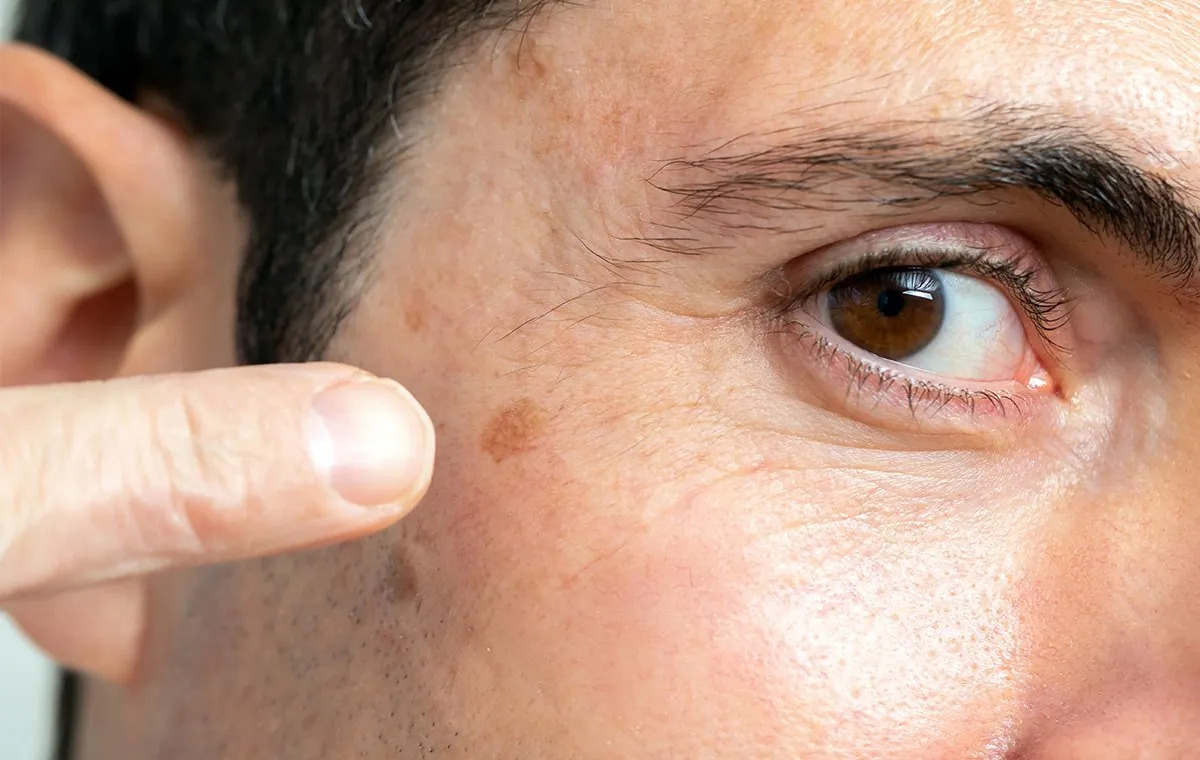
Prolonged sun exposure can cause actinic keratosis, a rough, scaly patch on the skin. It often appears on the face, hands, and other sun-exposed areas. People over 40 are most commonly affected. Early detection and protecting the skin from UV rays can help prevent skin cancer.
What Are the Symptoms?
Actinic keratosis can develop in different forms. It may appear as small, dry, scaly patches or slightly raised bumps. Some patches feel hard or wart-like. Colors can range from pink and red to brown. Common symptoms include itching, burning, bleeding, or crusting, usually on the face, neck, scalp, hands, and forearms.
Why does this disease occur?
The condition arises from repeated or intense exposure to UV rays, which gradually damages skin cells. Sunlight and tanning beds are primary contributors.
Who is at risk of this disease?
Anyone can get it, but some people are at higher risk. Those with light-colored hair and eyes, or skin that freckles or burns easily, are more vulnerable. A history of sunburns also increases risk. Being over 40, living in sunny regions, or working outdoors further increases the risk. A weakened immune system also increases the likelihood of actinic keratosis.
How is this disease diagnosed?
Doctors usually diagnose actinic keratosis by examining the affected skin. In uncertain cases, a skin biopsy may be performed to analyze a small tissue sample in the lab. Annual skin checks are recommended even after treatment to monitor for potential cancerous changes.
What are the possible complications?
If left untreated, actinic keratosis can turn into squamous cell carcinoma, a type of skin cancer. Early detection and treatment usually prevent serious problems.
What Is the Treatment?
Treatment depends on the number, size, and location of patches. Options include:
Medications
Topical creams or gels such as fluorouracil, imiquimod, or diclofenac may remove multiple patches, though they can cause temporary redness or irritation.
Procedures
Cryotherapy: Liquid nitrogen removes damaged cells. Side effects may include blistering, scarring, or discoloration.
Curettage: Scraping, sometimes followed by electro surgery, removes affected tissue. Possible side effects include infection and scarring.
Laser therapy: Ablative lasers destroy patches, allowing new skin to form.
Photodynamic therapy: Light-sensitive solutions applied to the skin are activated with a special light to remove abnormal cells.
How can you take care of yourself at home?
- Apply broad-spectrum sunscreen (SPF 30+) daily to all exposed areas, including lips
- Wear protective clothing and broad-brimmed hats
- Avoid tanning beds and limit sun exposure
- Regularly inspect skin for new or changing spots
How can this disease be prevented?
- Reduce direct sun exposure and avoid sunburns
- Consistently use sunscreen and protective clothing
- Avoid tanning beds
- Monitor skin regularly for new growths or changes in existing moles or freckles
When should you see a doctor?
Consult a doctor if a scaly patch:
- Does not heal or keeps growing
- Changes color, shape, or texture
- Starts bleeding
Early evaluation helps prevent skin cancer.
Frequently Asked Questions (FAQs)
Q1. Can actinic keratosis turn into skin cancer?
Yes, 5-10% of untreated patches may develop into squamous cell carcinoma.
Q2. Can actinic keratosis disappear on its own?
In some cases, it may go away, but it often comes back. Treatment is recommended to prevent recurrence and reduce the risk of skin cancer.
Important Note: This information is for awareness only. Please consult a healthcare professional for medical advice, diagnosis, or treatment.