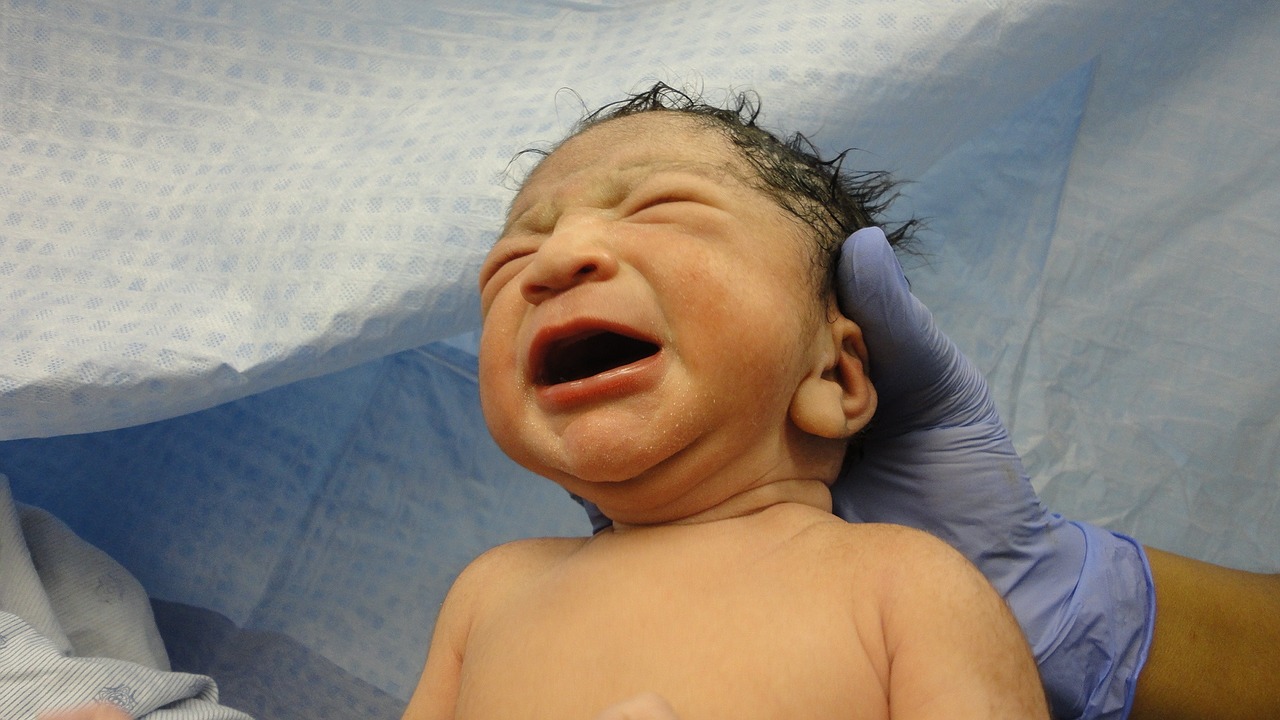


Acute flaccid myelitis (AFM) is a rare but serious condition that can cause sudden weakness in the arms and legs, mainly in children.
The disease affects the spinal cord, leading to a rapid loss of muscle strength and reflexes. Most cases develop after a mild viral infection. Symptoms can progress quickly and may require hospitalization.
What are the symptoms?
Common symptoms of acute flaccid myelitis include sudden weakness in the arms or legs, loss of muscle tone, and reduced reflexes. Other signs may include drooping eyelids, difficulty moving the eyes, facial weakness, trouble swallowing, slurred speech, and pain in the arms, legs, neck, or back.
Less common symptoms can include numbness, tingling, or difficulty urinating. Severe cases may cause weak breathing, unstable blood pressure, or dangerous changes in body temperature.
Why does this disease occur?
Acute flaccid myelitis may follow an enterovirus infection, which often causes mild fever or respiratory illness in children. Its symptoms can resemble polio, but most cases are not linked to the poliovirus.
Who is at risk of this disease?
Acute flaccid myelitis primarily affects young children, who are at the highest risk of developing sudden limb weakness.
How is this disease diagnosed?
- Doctors start with a detailed medical history and physical exam
- They examine areas with weakness, low muscle tone, or reduced reflexes
- MRI scans may be done to check the brain and spinal cord for abnormalities
- Lab tests can include cerebrospinal fluid, blood, stool, or respiratory samples
- Nerve tests measure how fast electrical signals move through nerves and how muscles respond
What are the possible complications?
Muscle weakness from acute flaccid myelitis can persist for months or even years. In severe cases, it may affect breathing or lead to dangerous changes in blood pressure and body temperature.
What is the treatment?
- There is no specific cure for acute flaccid myelitis. Treatment focuses on managing symptoms
- Physical or occupational therapy can help improve muscle strength and function
- Immunoglobulin therapy may be used to support the immune system
- Anti-inflammatory drugs, such as corticosteroids, can help reduce inflammation
- Antiviral medications may be considered in some cases
- Plasma exchange is sometimes used to remove harmful substances from the blood
- In some cases, nerve or muscle transfer surgery may be performed to restore limb function
How can you take care at home?
- Follow the doctor’s therapy plan
- Ensure proper rest and nutrition
- Monitor breathing and symptoms
- Prevent further infections
How can this disease be prevented?
No specific prevention exists, but you can reduce risk by:
- Washing hands often
- Avoiding touching the face with unwashed hands
- Keeping distance from sick people
- Cleaning commonly touched surfaces
- Covering coughs and sneezes
- Keeping sick children at home
When should you see a doctor?
Seek medical attention immediately if a child develops sudden weakness in the arms or legs, drooping of the face, difficulty swallowing, or trouble breathing.
Frequently Asked Questions (FAQs)
Q1. Can polio trigger acute flaccid myelitis?
No. AFM may look like polio, but it is not linked to the poliovirus.
Q2. Is there a permanent cure for AFM?
No. Treatment focuses on managing symptoms and improving recovery with therapy and support.
Important Note: This information is for awareness only. Please consult a healthcare professional for medical advice, diagnosis, or treatment.